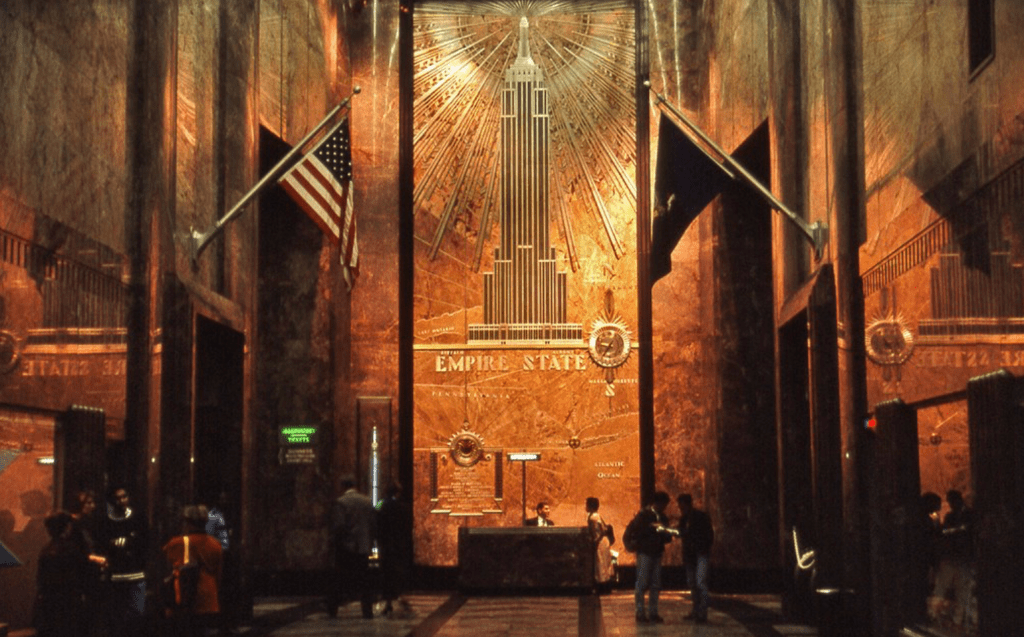
Art Deco is a distinguished style of visual arts, architecture, and design that blossomed in the 1920s and continued until World War II. Known for its streamlined geometric aesthetics, emphasis on symmetry, and use of luxurious materials, Art Deco marked a departure from the ornate styles of Art Nouveau and the Victorian era.
Originating in Paris, it reflected a blend of influences including Cubism, De Stijl, and Futurism, becoming synonymous with modernity and elegance.
In this post, we’ll explore the captivating world of Art Deco interior design, uncover its historical roots, dive into its defining features, and discover how its rich legacy continues to influence modern design today. Prepare to be dazzled by the timeless allure of Art Deco!
Historical Context

Art Deco’s origins are deeply entwined with the socio-economic upheavals of the early 20th century, particularly the prosperous “Roaring Twenties” following World War I. The style celebrated technological advancements and the sleek, new forms of the machine age, encapsulating modernist principles in visually appealing, straightforward designs.
The 1925 Exposition Internationale des Arts Decoratifs et Industriels Modernes in Paris spotlighted these trends, cementing Art Deco’s worldwide influence. Notably, the style, initially dubbed “arts decoratifs,” thrived in America during the 1920s and ’30s, epitomised by iconic structures like the Chrysler Building and Radio City Music Hall in New York City.
Key Characteristics of Art Deco Interiors

- Symmetry and Geometry: Art Deco is celebrated for its symmetrical, streamlined forms – simple yet striking. This clear geometric approach repackages modernist influences into a broadly accessible and popular style.
- Luxurious Materials and Craftsmanship: Moving away from the handcrafted emphasis of the Arts and Crafts movement, Art Deco highlighted the beauty of mass production. Materials such as ivory, lacquer, chrome, glass, and precious metals were staples, adding a touch of opulence.
- Colour and Decoration: High-contrast, bold, and vivid colours enhanced the luxurious feel, while decorative patterns and streamlined metallic surfaces echoed the industrial ethos of the era.

Societal and Global Influence of Art Deco

More than just a design style, Art Deco was a response to the end of the Industrial Revolution and the onset of a new century. In the United States, the style morphed into Streamline Moderne during the Great Depression, symbolising resilience with its unadorned exteriors and emphasis on horizontal lines. Globally, Art Deco left its marks from New York to Mumbai, demonstrating its versatility and appeal across diverse cultural contexts.
Art Deco’s Legacy and Contemporary Relevance

Today, Art Deco continues to inspire modern design, weaving its signature luxury and geometric patterns into both residential and commercial spaces. The style’s influence in pop culture and fashion is undeniable, providing a rich source of visual allure and creativity. While exact replication of Art Deco interiors is uncommon now, contemporary designers like Jennifer Durand, Jessica Lagrange, and Jake Arnold skilfully integrate Art Deco elements into modern contexts, ensuring the style’s seamless integration into contemporary interiors.
Practical Applications in Contemporary Settings
Modern designers often draw on Art Deco elements to enrich contemporary spaces without creating overwhelming or fully thematic environments. Incorporating geometric patterns, rich textures, and symmetrical designs can invoke the luxurious feel characteristic of Art Deco. Subtle modifications, such as applying black lacquer finishes to doors or restoring terrazzo floors, can infuse contemporary homes with Art Deco elegance effectively.

Conclusion
As we conclude our exploration of Art Deco, it’s clear that this style is much more than a historical footnote; it’s a living, breathing inspiration that continues to shape contemporary design. From the soaring skyscrapers of New York City to the chic interiors of modern homes, Art Deco’s legacy of combining beauty with modernity remains a cornerstone of creative expression.
Whether you’re looking to incorporate a touch of this opulent style into your own space or simply appreciate its influence across the globe, Art Deco offers endless opportunities to explore the elegance of a bygone era. Remember, in the world of design, some things never go out of style, and Art Deco is surely one of them.
Thank you for joining me on this glamorous journey—may the bold spirit and luxurious essence of Art Deco inspire your design adventures!
JG x
Resources
- https://historicdetroit.org/galleries/guardian-building-photos
- https://www.viator.com/Paris-attractions/Palais-de-Chaillot/overview/d479-a22210
- https://jakearnold.com/portfolio/villa-vendome/
- https://www.archdaily.com/792104/ad-classics-radio-city-music-hall-edward-durell-stone-and-donald-deskey
- https://www.pinterest.co.uk/pin/130182245462227953/
- https://www.dezeen.com/2019/01/14/chrysler-building-for-sale-new-york/
- https://www.architecturaldigest.com/story/art-deco-interior-design-101
- https://www.vam.ac.uk/articles/an-introduction-to-art-deco
- https://www.theartstory.org/movement/art-deco/
- https://www.museumselection.co.uk/the-art-deco-movement/#:~:text=Art%20Deco%20is%20a%20style,bold%20colours%2C%20and%20luxurious%20materials.
- https://insideinside.org/project/lobby-empire-state-building-new-york-new-york-1931/
Get new content delivered directly to your inbox
-
The Interior Life of the Closet
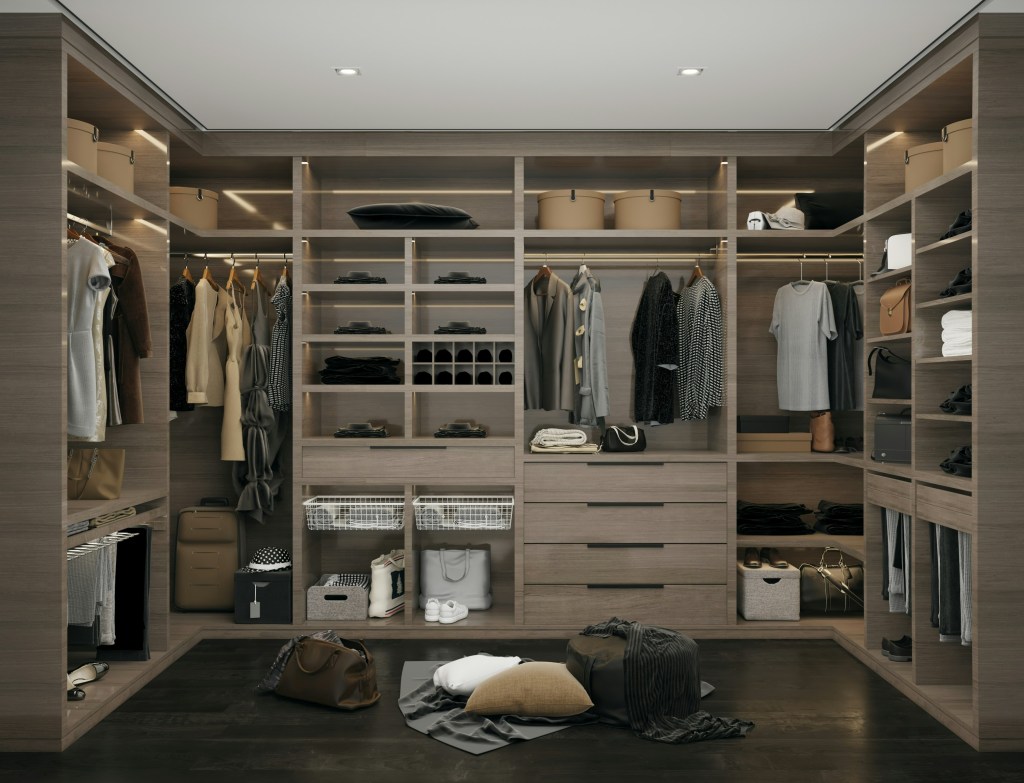
A psychological dissection of the storage lie. This essay argues that the modern obsession with seamless, integrated, invisible storage is an architectural attempt to deny our consumerist reality. We critique the walk-in wardrobe as the last sanctuary—the only truly private room remaining in the open-plan home—where the inhabitant is finally permitted to hoard, display, and…
-
The Anxiety of the Open Concept
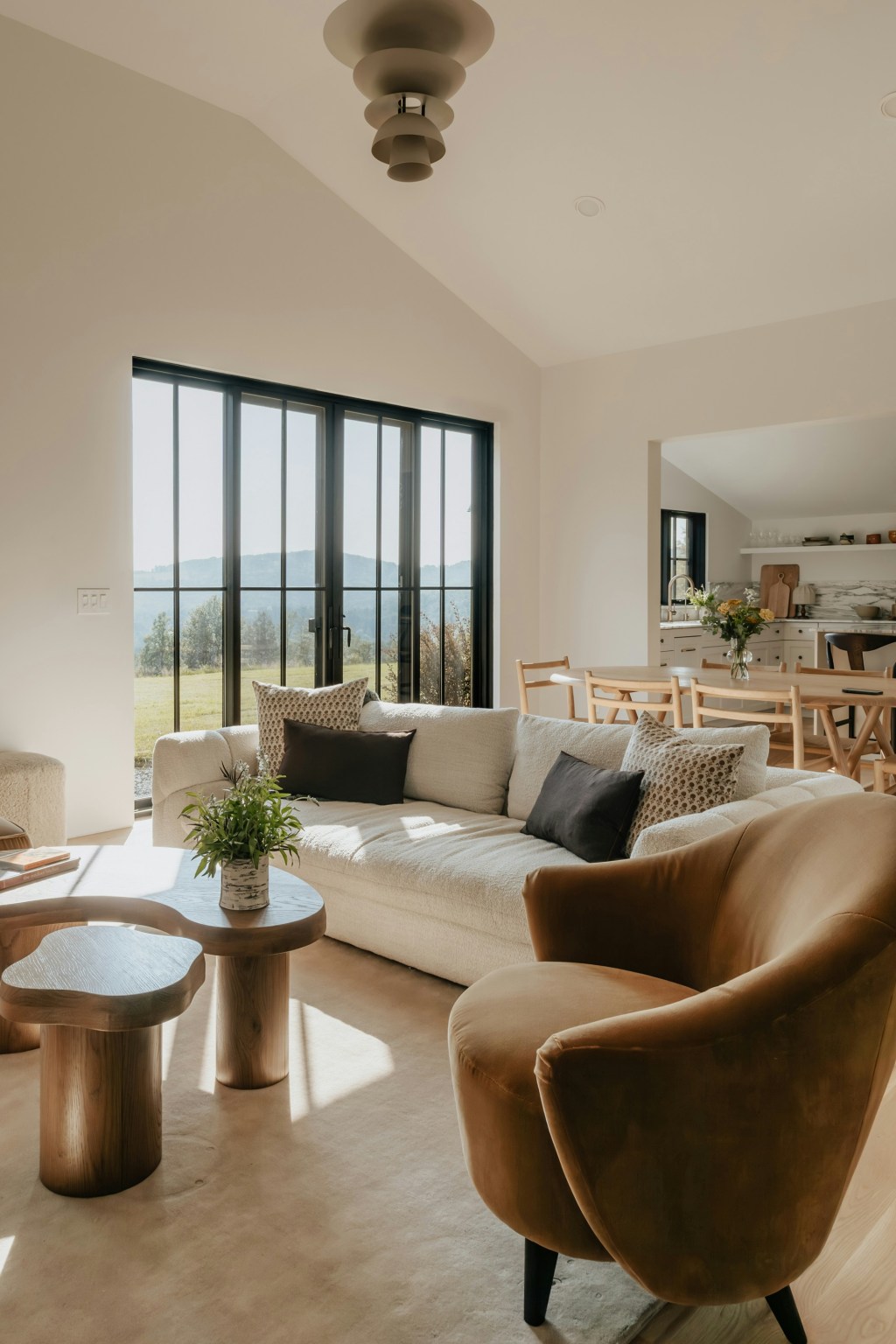
A ruthless dissection of the modern open-plan home. This essay argues that the dissolution of walls is a symptom of a society that prioritizes surveillance and perpetual productivity over the right to privacy and retreat. We critique the open concept as an architectural mandate designed to keep family members, guests, and workers in a constant…
-

The Tyranny of the Pure Surface
A philosophical takedown of the pursuit of sterile perfection. This essay critiques the obsessive use of unforgiving, high-maintenance surfaces (Carrara marble, ultra-white quartz) in the modern kitchen. We argue that the material’s impracticality is the point: it’s a luxury status symbol requiring endless maintenance, serving as a constant, expensive performance of aspirational hygiene and total…


Leave a comment