The Hidden Self
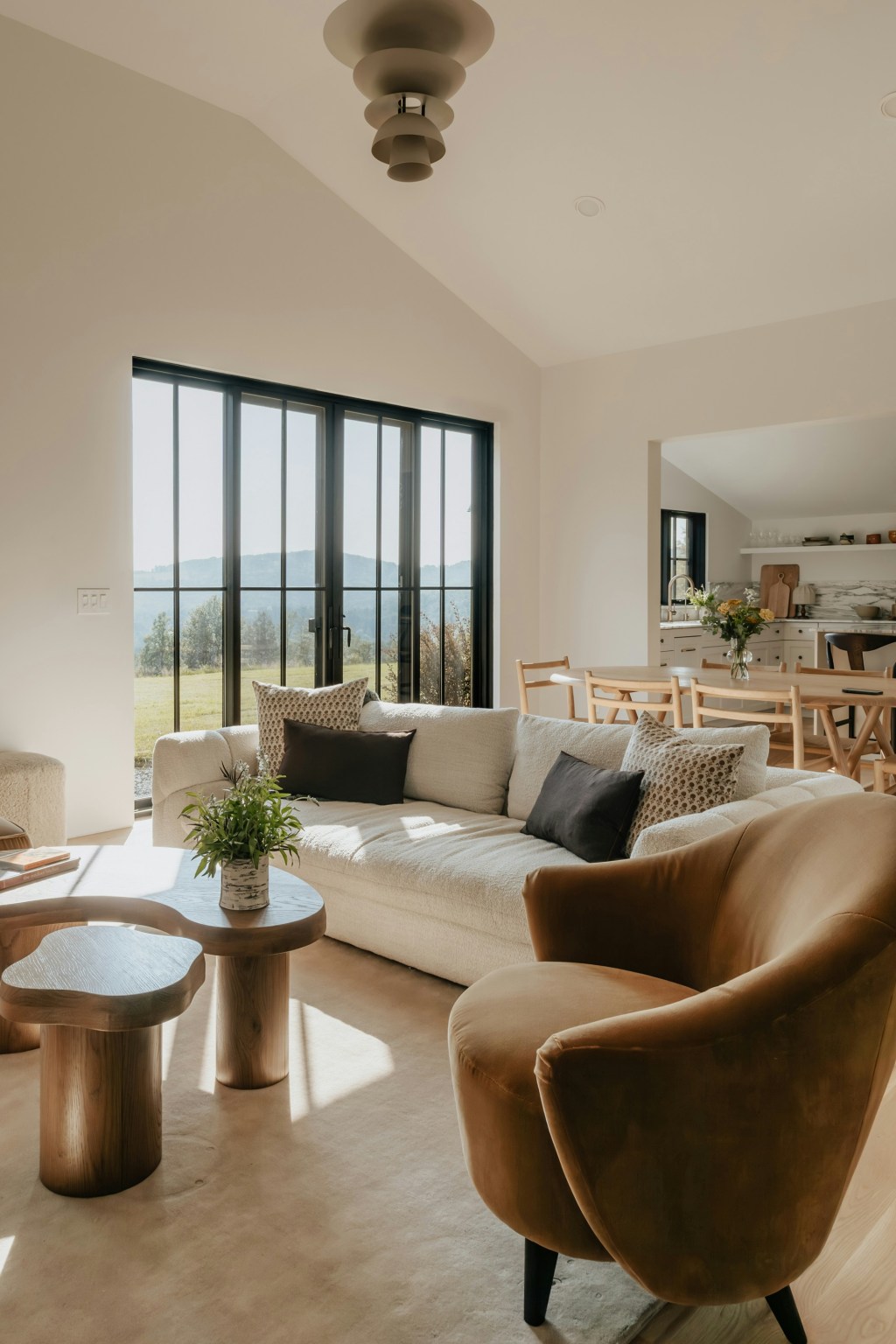
The modern home is obsessed with vanishing acts. Our architecture demands that every physical object – every utensil, every book, every coat – must be instantly swept away into seamless, integrated, un-knobbed cabinetry. We are sold the fantasy of architectural denial: the illusion that we possess nothing, that our lives are frictionless, and that our consumerism leaves no material footprint.
This is the tyranny of storage.
The contemporary design brief is simple: hide the truth of acquisition. The perfect, blank wall, free of clutter, is the backdrop for the projected self – the minimalist, organised, functional inhabitant we aspire to be. But the more aggressively we sanitise the public rooms, the more virulent the hidden chaos becomes.
The Aesthetics of Denial
The proliferation of floor-to-ceiling storage is an attempt to solve a spiritual problem with a physical solution. We live in an era of hyper-consumption – a culture that mandates constant buying – yet our aspirational aesthetic demands total visual emptiness. The modern home, therefore, must dedicate an ever-increasing percentage of its square footage to aggressively housing the evidence of its own contradictions.
The seamless, high-gloss white cabinet doors of the kitchen and living room are the architectural equivalent of a blank, unreadable face. They conceal the contents of our lives – the Tupperware, the spare cables, the piles of paperwork – not to make the space functional, but to make the space performatively clean.
The Closet as a Confessional
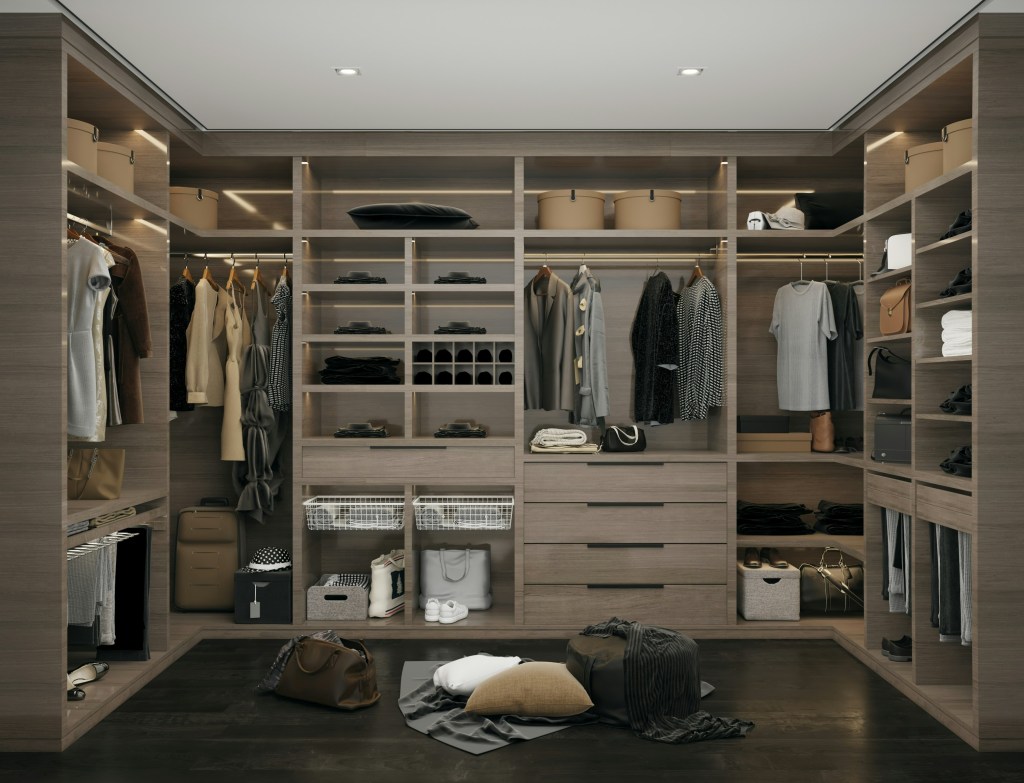
The consequence of this architectural lie is that the walk-in wardrobe has emerged as the final, most sacredly private space in the home. It is the last room where the inhabitant is truly, psychologically off-stage.
If the kitchen is the performance of domestic perfection and the open plan is the architectural mandate for perpetual visibility, the closet is the confessional. It is the one place where the edited self is abandoned in favour of the archival self.
What resides in the private space of the wardrobe is not merely clothing; it is the unstable archive of identity. Here, the expensive jacket that was never worn sits beside the relics of past lives – the clothes from a job you quit, the dress from a relationship that ended. The open-plan home requires you to be one unified, multitasking person; the closet allows you to be an assembly of fragmented, contradictory selves. It is the only room where you are allowed to hoard without shame.
Identity at Rest
The truly revealing feature of the closet is the permitted disorder. While the rest of the home requires surfaces to be pure (as Galatea Studio has already noted), the closet can be a controlled, or indeed uncontrolled, mess. The clothes are packed tight, the shoes are mismatched, the chaos is contained behind a locked door – and this, crucially, is tolerated.
The chaos of the closet is the necessary psychological pressure release valve for the unbearable order of the rest of the home. It is the architectural admission that no matter how much we pay for pure surfaces and invisible storage, the truth of a human life is messy, complicated, and requires a place to hide. The closet does not hide objects; it hides the unedited, human self.
If you want to understand the true values and emotional state of an inhabitant, don’t look at the pristine kitchen island; open the wardrobe door. The chaos within is the most honest truth in the house.
JG x
Galatea Studio designs spaces that are rooted in intellectual honesty, not aesthetic denial. If you are ready to create an environment that rejects the tyranny of impossible perfection and reflects how you actually live – rather than how you aspire to be perceived – we invite you to view our portfolio or inquire about your next project in Manchester and Cheshire.

 GALATEA
Leave a comment