On Commodifying Imperfection: The High Price We Pay To Pretend We Still Value Labour
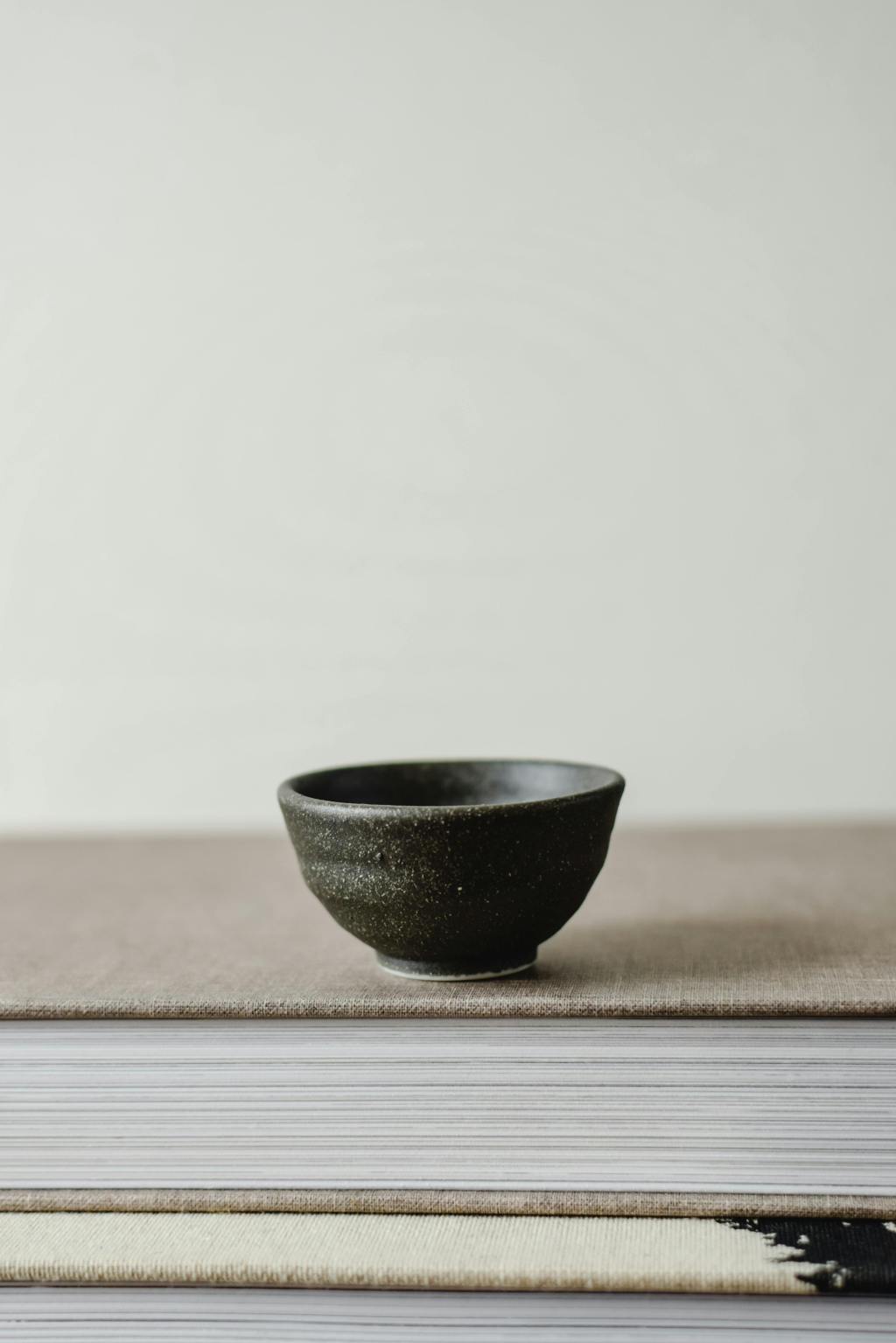
There is a particular kind of quiet, architectural lie that has colonised the modern interior: the Wobbly Object. It is never aggressively imperfect – it is merely human. I speak, of course, of the expensive, hand-thrown ceramic mug with a slightly uneven rim, the “perfectly” imperfect linen curtain, or the wonky, matte white bowl that costs £80. These items are presented as proof of an ethical, soulful existence – a rejection of sterile mass production in favour of the human touch.
But look closer. This is not authenticity; it is the Aestheticisation of Labour.
The Privilege of Imperfection
The contemporary fetish for the handmade object is the ultimate luxury trap. We purchase the visible evidence of human effort – the fingerprint left in the glaze, the slightly uneven stitch – because we suspect, deep down, that our own lives are increasingly smooth, automated, and untouched by genuine, messy creation.
The wobbly ceramic bowl is thus a piece of architectural therapy. It allows the consumer, paralysed by the complexity of ethical consumption, to passively buy the feeling of being “good.” It signifies a life lived slowly, deliberately, and with respect for craft, all without requiring the purchaser to actually slow down, learn a craft, or deal with the financial precarity of the actual artisan. It is a guilt-mitigation strategy executed in clay.
The Arts & Crafts Betrayal
This desire is not new. The progenitor of the Wobbly Object was the Arts and Crafts movement, led by thinkers like William Morris. This was a radical, political rebellion against the dehumanising standardisation of the Industrial Revolution. Its central tent was the joy of labour and the truth to materials. They sought to produce beautiful, honest objects that celebrated the human hand, making them available to the masses.
The cruel irony is that the moment the movement achieved aesthetic success, its core ethical goal – accessibility – collapsed. The handmade became expensive, and the very things meant to rebel against industrial oligarchy became the exclusive possessions of the elite. Today, we have completed the betrayal: we retain the visual language of the rebellion (the honest, unvarnished wood; the irregular glaze) but strip it entirely of the ethical content. We buy the ghost of William Morris’s principles at a staggering markup.
The Mass-Produced Lie
The ultimate cynicism of this trend is the industrial response: mass-produced wobbly objects. Brands now spend vast sums perfecting the exact degree of irregularity that reads as “authentic” without being actually flawed. They have commodified the mistakes.
The perfectly imperfect linen is now produced by a machine programmed to weave deliberately imperfect clubs into the thread. The ceramicist, once a symbol of radical opposition to the assembly line, is now a carefully curated heavily photographed “content creator” whose “handmade” items are often produced in scaled-up studios simply to keep pace with the demand for their signature, recognisable imperfection.
This process has led to the architectural paradox of our era: We are paying a premium for the aesthetics of poverty delivered with the efficiency of vast wealth. We want the beautiful, textured feeling of a life lived close to the earth, but we want it shipped to our door, guaranteed, and perfectly sterile. The wobbly bowl is the architectural proof that we are consuming the appearance of humility, not practicing it.
The Real Cost of Effortless Aesthetic
The life of the Wobbly Object is that it encourages the consumer to believe they have done their duty simply by purchasing it. It acts as an expensive distraction from the real political and social failures embedded in our consumption habits.
We hang the imperfect textile on the wall and ignore the fact that our supply chain is faster, cheaper, and relies on an industrial process that is the antithesis of the “slow living” we claim to champion. We buy the heavy, uneven bowl and use it to hold a quick, reheated meal eaten standing up at the kitchen island.
The Wobbly Object, in its deliberate, expensive imperfection, is Late Capitalism’s favourite lie: it tells us that humanity is valued, when in fact, only the aesthetic presentation of that value is profitable. If you want to rebel against the sterile homogeneity of the modern home, don’t buy the expensive wobbly bowl. Put the ugly, chipped piece you already own on display and admit that life is messy, uncurated, and often, frankly, ugly.
That would be true authenticity.
JG x
Galatea Studio doesn’t simply critique the prevailing domestic lies; we design interiors that refuse to participate in them. If you are ready to create a space rooted in intellectual honesty rather than aesthetic performance, we invite you to view our portfolio or inquire about your next project in Manchester and Cheshire.

 GALATEA
Leave a comment