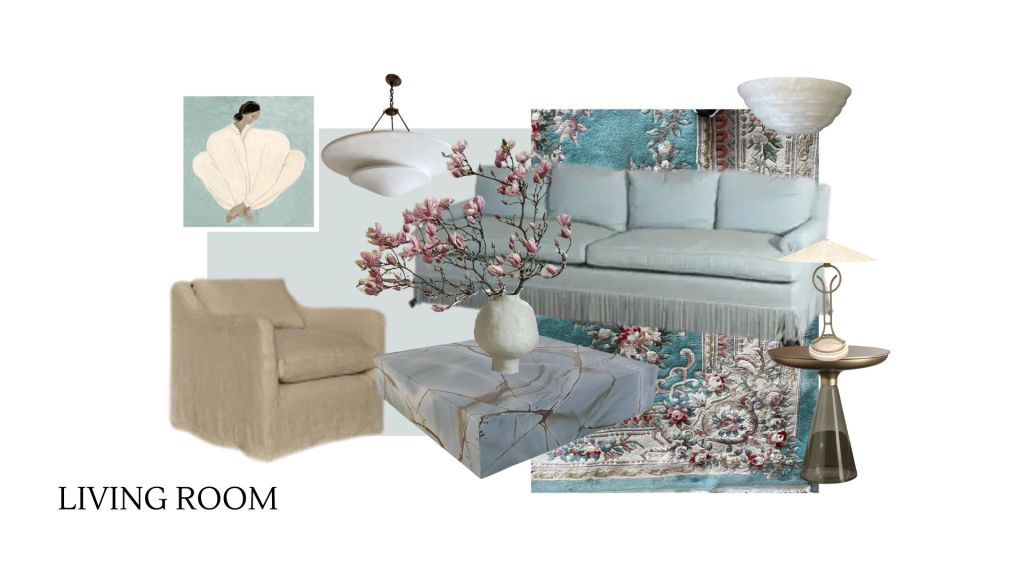
Vintage rugs, especially intricate pieces like Chinese Art Deco rugs, can transform a room with their rich patterns and vibrant hues.

Styling a vintage rug is an art that involves balancing its historical charm with contemporary elements.
Whether it’s used as a statement piece, layered for added depth, or integrated into unexpected spaces, a vintage rug can elevate your interior design to new levels of sophistication.
The Rug as a Statement Piece
A vintage rug can serve as the focal point of a room, grounding the space with its unique artistry. One option for styling a vintage rug is to let the rug do the talking.

In a living room, placing the rug under neutral-colored furniture allows its intricate patterns to shine. Pairing the rug with simple sofas and chairs in soft hues prevents visual clutter, letting the rug’s beauty stand out.

In a bedroom, position the rug under the bed, with the edges visible to frame the room’s layout. Choose accent pillows or throws in hues from the rug’s palette to tie the space together. This method emphasizes the rug as the room’s central feature, creating an ambiance that speaks of elegance and history.
Building the Room’s Colour Palette

Alternatively, let the rug’s color palette guide the design of the room.
A vintage rug’s rich tones—like the turquoise, pink, or gold found in Chinese Art Deco rugs—can inform the selection of other elements in the space. Incorporate these shades into accent pillows, curtains, or artwork to create a harmonious look.

For example, pick bolder colors for accessories while keeping walls and larger furniture pieces neutral to maintain balance. This approach contrasts with using the rug as a standalone statement piece, offering a more cohesive design where the rug naturally blends with its surroundings.
Choosing the Right Rug Size
Choosing the right size rug is essential to creating a cohesive and balanced room.

In the living room, the rug should be large enough to fit under the front legs of sofas and chairs, anchoring the seating area. For dining rooms, select a rug that extends beyond the table and chairs, even when they’re pulled out, to frame the space elegantly. In bedrooms, the rug should extend beyond the bed’s edges, adding a layer of comfort and luxury.

A common mistake is picking a rug that’s too small for the space, which can make a room feel cluttered and cramped. The right size rug not only enhances the room’s visual flow but also highlights the vintage rug’s beauty.
Layering Rugs for Depth and Texture

Sometimes it’s not possible to find a vintage rug in the size you need, or you may fall in love with a vintage rug that is just too small for your space. In cases like this, layering can be a good solution.
Start with a large, neutral base rug—such as jute, sisal, or a low-pile wool rug—to anchor the space. Then, place the vintage rug on top, either centered or slightly askew, depending on the room’s layout.
This layering technique adds visual interest, texture, and depth, allowing the smaller vintage rug to stand out without getting lost in the room. This approach is particularly effective in open-plan spaces where you want to highlight the rug’s design while filling the area appropriately.
Mixing Vintage with Contemporary Décor

The initial instinct when styling a vintage rug might be to lean fully into the rug’s style, such as pairing an Art Deco rug exclusively with Art Deco furniture. However, this can make the room feel overly thematic, like a reproduction rather than a unique space. On the other hand, contrasting the rug with completely different time periods and styles can result in an uncohesive look.

The best approach is to blend eras thoughtfully: choose a few key pieces that reflect the rug’s style—like a vintage-inspired lamp or an art piece—then supplement with contemporary furniture in complementary colors.
For instance, place a modern, neutral-toned sofa alongside vintage brass accents and add velvet cushions that echo the rug’s hues. This method creates a curated, eclectic look that feels both cohesive and authentic.
Vintage Rugs in Unexpected Spaces

Vintage rugs aren’t just for living rooms and bedrooms; they can add warmth and character to less conventional areas, bringing an unexpected element of luxury.
- Entryway: A small vintage rug can make a bold first impression, introducing color and pattern right at the threshold. It adds warmth and character, welcoming guests into your home. Entryways often lack personality, and a vintage rug is an effortless way to inject color into this usually overlooked space.
- Kitchen: Kitchens can sometimes feel cold due to hard, utilitarian materials like tile, stone, and stainless steel. Adding a vintage rug in front of the sink or in the center of the kitchen provides a touch of texture and warmth, making the space feel more inviting and cozy.
- Bathroom: Similarly, bathrooms often have sleek, minimalist finishes. Introducing a vintage rug adds color, texture, and a hint of luxury, balancing the room’s hard surfaces.
Using vintage rugs in these unexpected spaces elevates them, creating areas that are both functional and visually engaging.
Conclusion

Styling a vintage rug, especially one as intricate as a Chinese Art Deco piece, is a creative process that brings history, color, and texture to any space.
By treating the rug as a statement piece, layering it for depth, or mixing it with contemporary décor, you can seamlessly incorporate its old-world charm into modern settings.
From choosing the right size to building a cohesive color palette, these rugs can transform various rooms with their unique character. Embrace the versatility of vintage rugs to elevate your interior design with elegance and warmth.
If you would like to purchase any of the rugs in the images, you can do so here!
JG x
Get new content delivered directly to your inbox
-
The Interior Life of the Closet
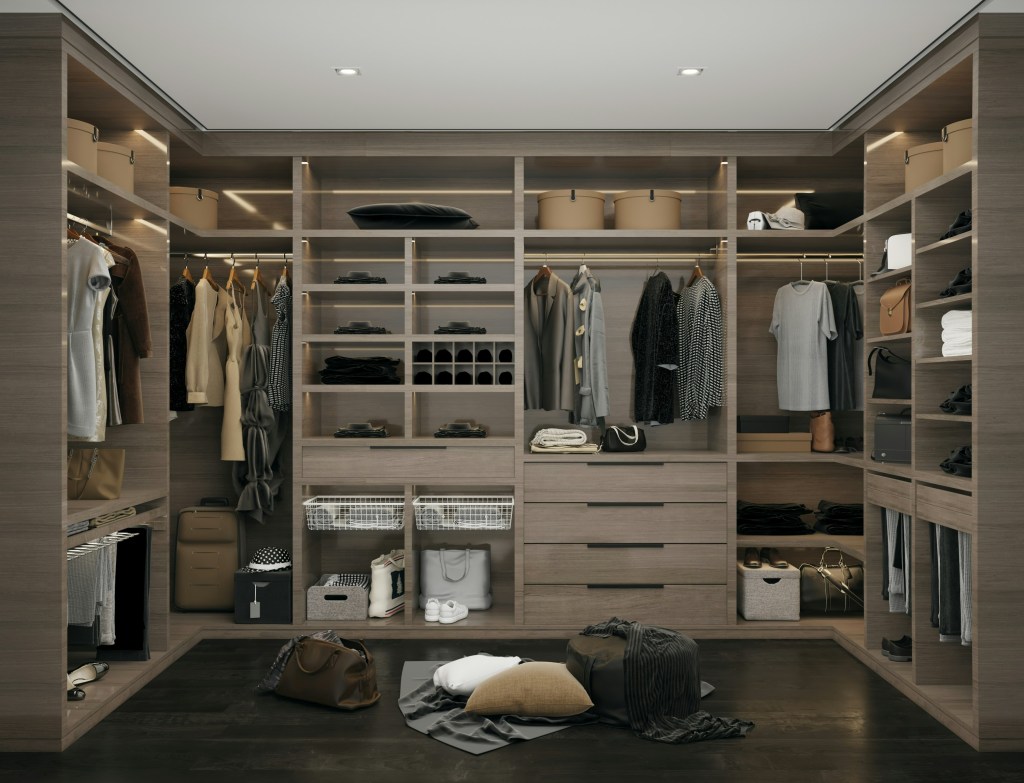
A psychological dissection of the storage lie. This essay argues that the modern obsession with seamless, integrated, invisible storage is an architectural attempt to deny our consumerist reality. We critique the walk-in wardrobe as the last sanctuary—the only truly private room remaining in the open-plan home—where the inhabitant is finally permitted to hoard, display, and…
-
The Anxiety of the Open Concept
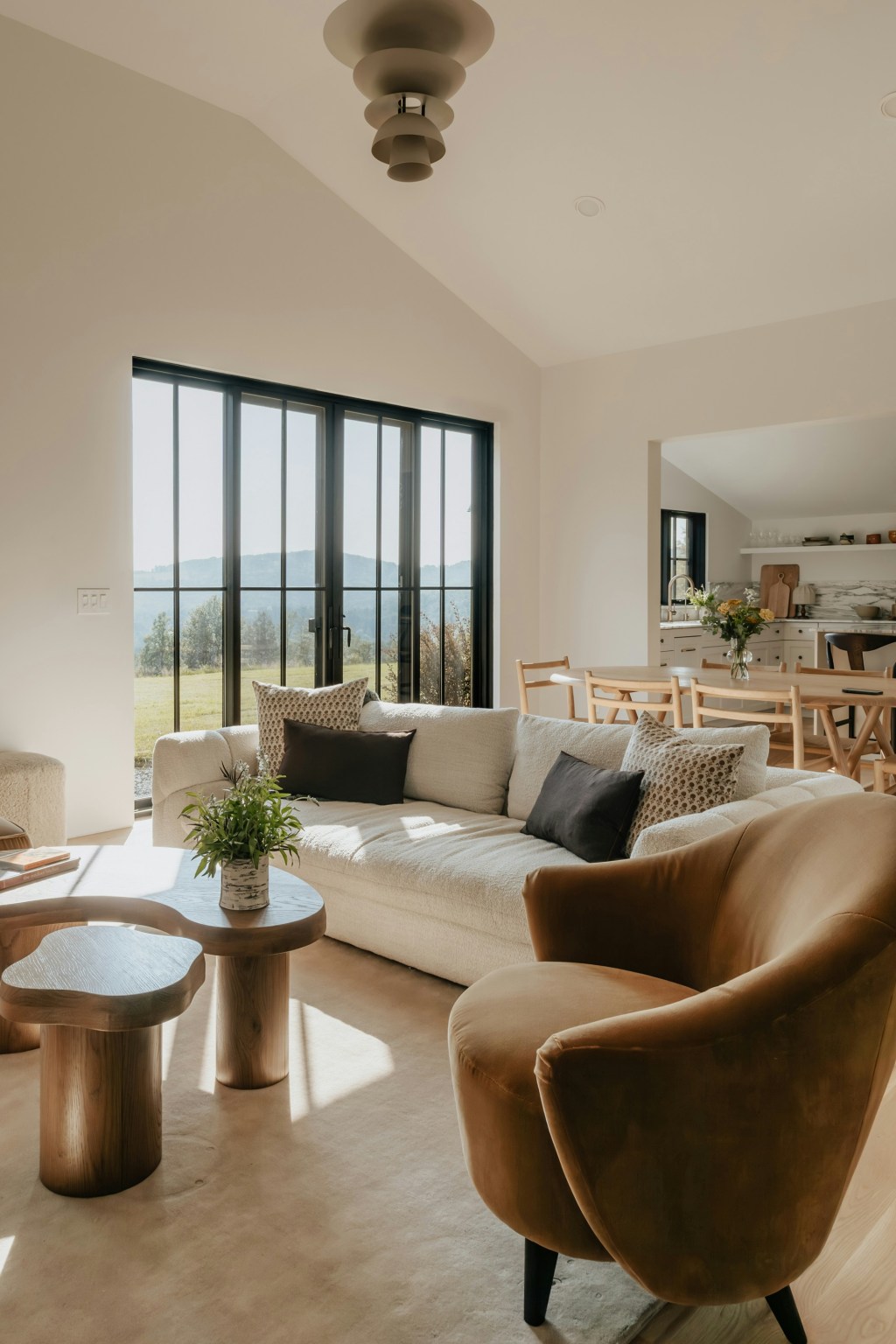
A ruthless dissection of the modern open-plan home. This essay argues that the dissolution of walls is a symptom of a society that prioritizes surveillance and perpetual productivity over the right to privacy and retreat. We critique the open concept as an architectural mandate designed to keep family members, guests, and workers in a constant…
-

The Tyranny of the Pure Surface
A philosophical takedown of the pursuit of sterile perfection. This essay critiques the obsessive use of unforgiving, high-maintenance surfaces (Carrara marble, ultra-white quartz) in the modern kitchen. We argue that the material’s impracticality is the point: it’s a luxury status symbol requiring endless maintenance, serving as a constant, expensive performance of aspirational hygiene and total…
 GALATEA
Leave a comment