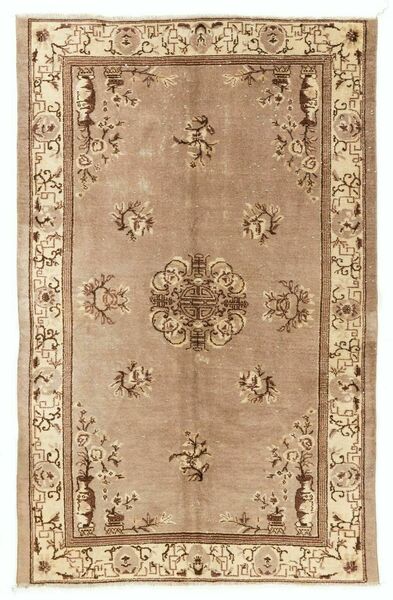
Chinese Art Deco rugs merge traditional Eastern motifs with Western Art Deco influences. Originating in the early 20th century, these hand-knotted masterpieces adorned grand Chinese homes before making their way into Western interiors. Today, they captivate designers and collectors alike, offering a versatile touch of opulence to modern spaces.
Origins of Chinese Art Deco Rugs

Chinese Art Deco rugs emerged in the early 20th century when China began opening up to global influences. Artisans in the port city of Tianjin (formerly Tientsin) led the movement, weaving rugs that combined traditional Chinese patterns—lotus flowers, peonies, dragons—with the bold geometric designs characteristic of Western Art Deco. These rugs featured rich jewel tones, including turquoise, deep purple, gold, and pink, crafted from high-quality wool and silk.
Unlike European rugs, which often employed intricate borders, Chinese Art Deco rugs embraced simplicity by emphasizing central motifs. This design choice reflects traditional Chinese philosophies of balance and harmony, creating a striking yet understated elegance.
During the 1960s and 1970s, a resurgence of interest in vintage and exotic décor further propelled the popularity of these rugs, leading to the production of new batches inspired by original designs from earlier decades. Today, the Chinese Art Deco rugs we encounter are echoes of this cultural blend, embodying artistic expression across eras.
Design Elements

These rugs are celebrated for their distinct combination of traditional Chinese artistry and the sleek elegance of the Art Deco movement. Their color palette often includes vibrant hues such as turquoise, jade green, purple, and pink, mirroring both the opulence of Chinese culture and the boldness of 1920s and 1930s modernism.
The motifs frequently found in Chinese Art Deco rugs include classic symbols like peonies, lotus flowers, and dragons, set against swirling clouds or foliage. These designs are asymmetrical, distinguishing them from the more symmetrical patterns typical of Persian or European rugs. The use of negative space is also a defining characteristic, allowing the central motifs to stand out against simpler backgrounds.
Border designs in these rugs are usually minimalistic, often featuring clean lines or geometric shapes. This simplicity balances the more elaborate central patterns, creating a luxurious yet harmonious aesthetic that captures the essence of Art Deco style.
Materials and Weaving Techniques

Chinese Art Deco rugs are known for their premium materials and meticulous weaving techniques. The foundation is often made from durable cotton, providing a sturdy base for the luxurious wool pile. The wool, usually locally sourced, is valued for its softness, density, and ability to retain color.
Hand-knotting is the primary weaving technique used for these rugs, involving the labor-intensive process of tying individual knots by hand to create intricate patterns. The knot density is a key indicator of a rug’s quality; higher knot counts produce more detailed designs and a denser, softer pile. Chinese Art Deco rugs are known for their high knot counts, contributing to their durability and luxurious texture.
The dyeing process is equally significant. Natural dyes, derived from plants, minerals, and insects, are used to achieve the vibrant hues associated with these rugs. These dyes deeply penetrate the wool fibers, ensuring that the colors remain vivid over time. The use of traditional dyeing methods also adds subtle variations, lending each rug a unique character and an aged, artisanal beauty.
This combination of high-quality materials and time-honored techniques makes Chinese Art Deco rugs highly sought after by collectors and designers alike.
The Journey to the West


Chinese Art Deco rugs began their journey to the Western world in the early 20th century as interest in Eastern art and culture grew. By the 1920s and 1930s, Western designers and collectors were captivated by the exotic elegance of Chinese design, with its rich color palettes and intricate motifs. As the Art Deco movement gained popularity in Europe and the United States, these rugs found a receptive market.
To meet Western tastes, Chinese artisans adapted their designs, experimenting with different sizes, color palettes, and motifs. They often blended rich jewel tones with softer hues that complemented the bold lines of Western Art Deco interiors.
Throughout the mid-20th century, Chinese Art Deco rugs became symbols of luxury and sophistication, frequently featured in upscale department stores and design publications. Their journey across continents not only marked their rise in Western décor but also contributed to their story, making each rug a unique blend of East and West.

Chinese Art Deco rugs are rich tapestries of history, culture, and craftsmanship. Their journey from the workshops of China to Western homes, along with their unique blend of traditional and modern design elements, makes them timeless treasures.
Whether used as a statement piece in contemporary interiors or to add a touch of old-world elegance, these rugs continue to captivate with their vibrant colors and intricate motifs. Incorporating one into your space not only elevates the décor but also connects you to a storied legacy of artistry.
JG x
Get new content delivered directly to your inbox
-
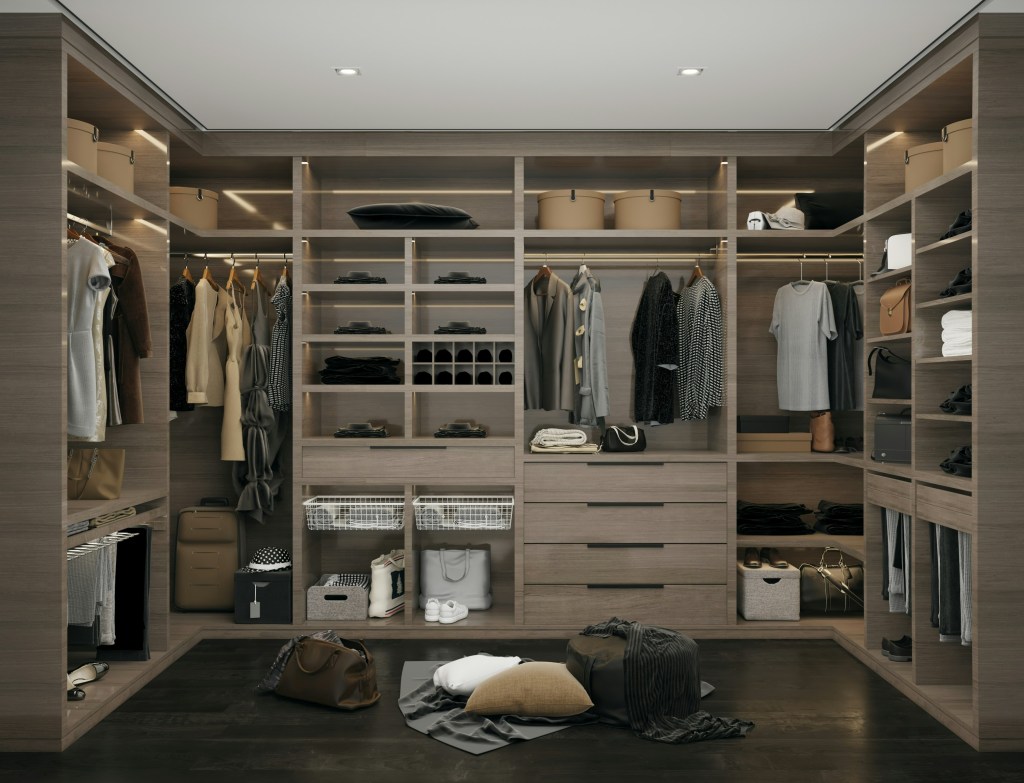
The Interior Life of the Closet
A psychological dissection of the storage lie. This essay argues that the modern obsession with seamless, integrated, invisible storage is an architectural attempt to deny our consumerist reality. We critique the walk-in wardrobe as the last sanctuary—the only truly private room remaining in the open-plan home—where the inhabitant is finally permitted to hoard, display, and…
-
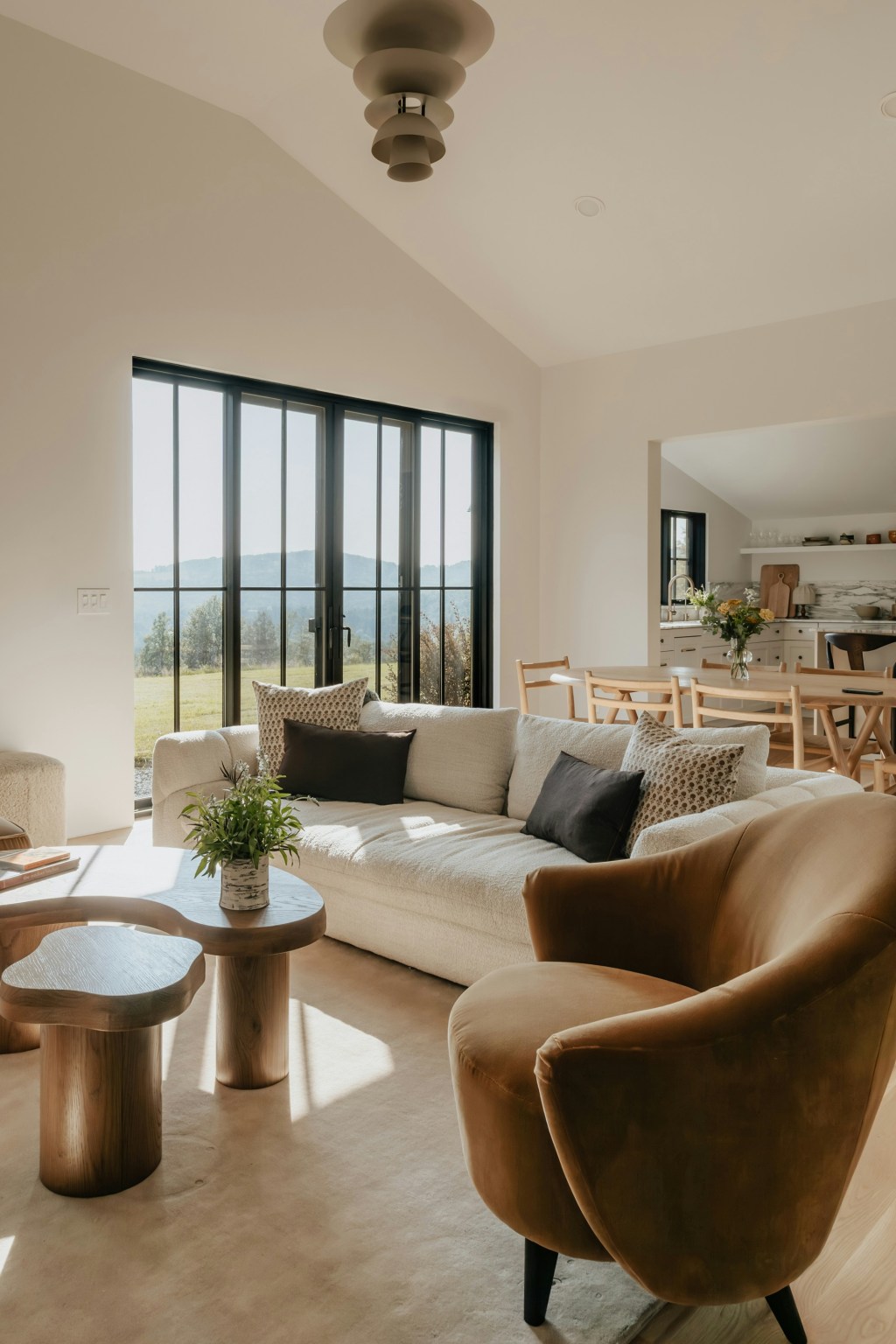
The Anxiety of the Open Concept
A ruthless dissection of the modern open-plan home. This essay argues that the dissolution of walls is a symptom of a society that prioritizes surveillance and perpetual productivity over the right to privacy and retreat. We critique the open concept as an architectural mandate designed to keep family members, guests, and workers in a constant…
-

The Tyranny of the Pure Surface
A philosophical takedown of the pursuit of sterile perfection. This essay critiques the obsessive use of unforgiving, high-maintenance surfaces (Carrara marble, ultra-white quartz) in the modern kitchen. We argue that the material’s impracticality is the point: it’s a luxury status symbol requiring endless maintenance, serving as a constant, expensive performance of aspirational hygiene and total…
 GALATEA
Leave a comment