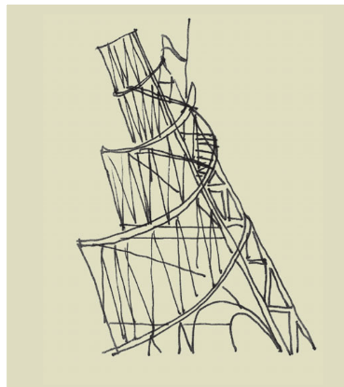
In the realm of interior design, sketching is not merely a preliminary step in the design process but a fundamental practice that embodies the spontaneity and fluidity of creative thought.
In this post, we delve into the significance of sketching and sketchbooks as vital tools that not only capture but also cultivate the essence of interior design.
The Pivotal Role of Sketching in Interior Design

Sketching serves as a bridge between the ethereal realm of ideas and their tangible manifestations. It is the first stroke of genius that captures the spontaneous outburst of creativity – a visual language that communicates the unsaid and the yet-to-be imagined.
In interior design, sketching is the primary tool for exploring spatial relationships, proportions, and aesthetic compositions. Its immediate and forgiving nature allows designers to experiment with bold ideas without the commitment required by more detailed and technical renderings.
Flexibility and Fluidity
One of the most cherished aspects of sketching is its inherent flexibility. Designers wield the sketch as a tool to rapidly prototype visual solutions, shifting shapes and forms with ease. This dynamic process is crucial for iterating design concepts, accommodating client feedback, and evolving initial ideas into mature design solutions.
Sketches act as a living document of the design process, reflecting the evolution of thought and adaptation to new insights and inspirations.
The Sacred Sanctuary of Sketchbooks

A sketchbook is more than a collection of drawings – it is a designer’s constant companion, a repository of creativity where ideas are nurtured over time. Each page tells a story, a step along the journey of a project, or a fleeting inspiration captured on paper.
The importance of maintaining a sketchbook lies in its role as both a creative playground and a documentary tool.
Creative Exploration and Documentation
Within the pages of a sketchbook, designers enjoy the freedom to explore unbounded by the constraints of formal design parameters. This liberty encourages divergent thinking, fostering innovative solutions that might not emerge through digital means alone.
Furthermore, sketchbooks serve as a chronological record, documenting the design journey from conception to completion. They allow designers to revisit past ideas, rekindle old inspirations, and reflect on their creative growth.
Reference and Reflection
For the seasoned designer, a sketchbook is a valuable reference tool, offering a wealth of ideas that can be adapted to new projects. It also serves as a reflective surface, mirroring the designer’s evolving style and technique, and acting as a personal narrative of artistic development.
Digital vs. Physical Sketchbooks

The tactile feel of paper and the direct contact of pencil on surface have long been cherished in the artistic community. Traditional tools like pencils, pens, and markers offer a direct and organic experience that digital tools struggle to replicate. However, the advent of digital sketching has brought new dimensions to this age-old practice.
Programs like Autodesk Sketchbook and apps like Morpholio Trace have revolutionised the way designers sketch. These digital tools offer the advantages of undo buttons, infinite canvas, and the ability to overlay revisions without losing the original sketches. They provide a seamless integration of sketching into the digital workflow, enabling designers to share and collaborate with unprecedented ease and speed.
Conclusion
Sketching and sketchbooks remain at the heart of the creative process in interior design. They are not relics of a bygone era but essential tools that continue to evolve with the times. Whether through the whisper of the pencil on paper or the swipe of a stylus on a screen, these practices foster a unique blend of creativity and practicality that is fundamental to the art and science of interior design.
In embracing both the traditional and the digital, designers find themselves equipped with a versatile arsenal that can address any creative challenge. As we continue to explore and value these foundational practices, the field of interior design will only grow richer, more diverse, and infinitely more creative.
Next week we’ll delve into a communication technique that is primarily physical: sample boards. See you then!
JG x
Get new content delivered directly to your inbox
-
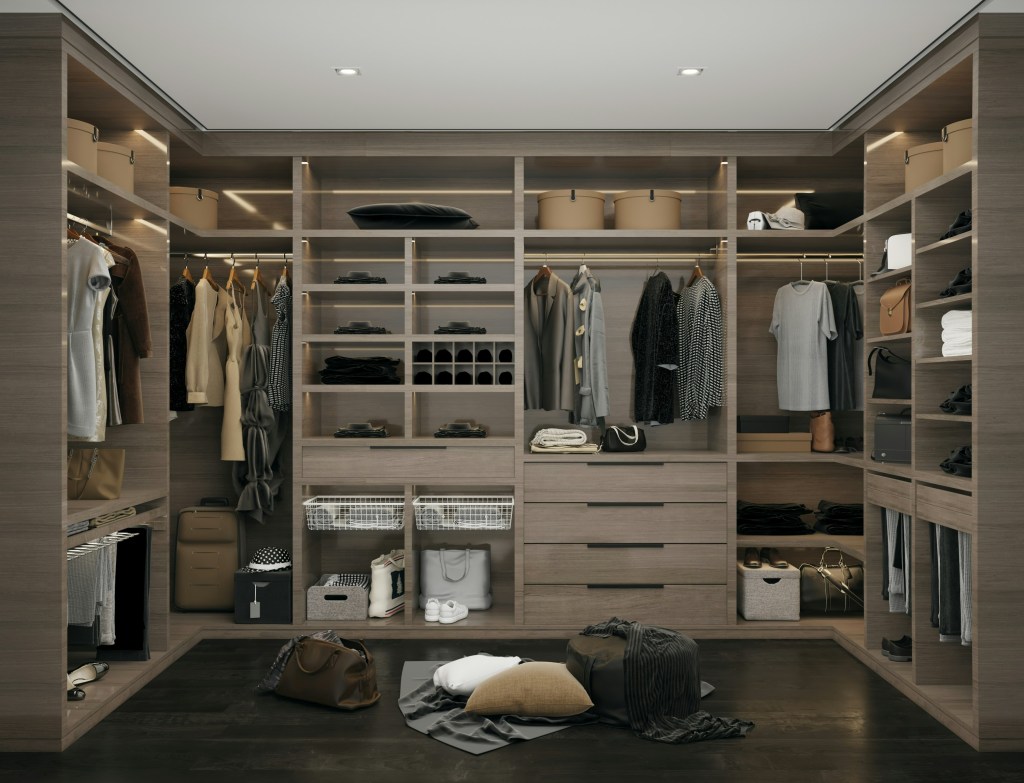
The Interior Life of the Closet
A psychological dissection of the storage lie. This essay argues that the modern obsession with seamless, integrated, invisible storage is an architectural attempt to deny our consumerist reality. We critique the walk-in wardrobe as the last sanctuary—the only truly private room remaining in the open-plan home—where the inhabitant is finally permitted to hoard, display, and…
-
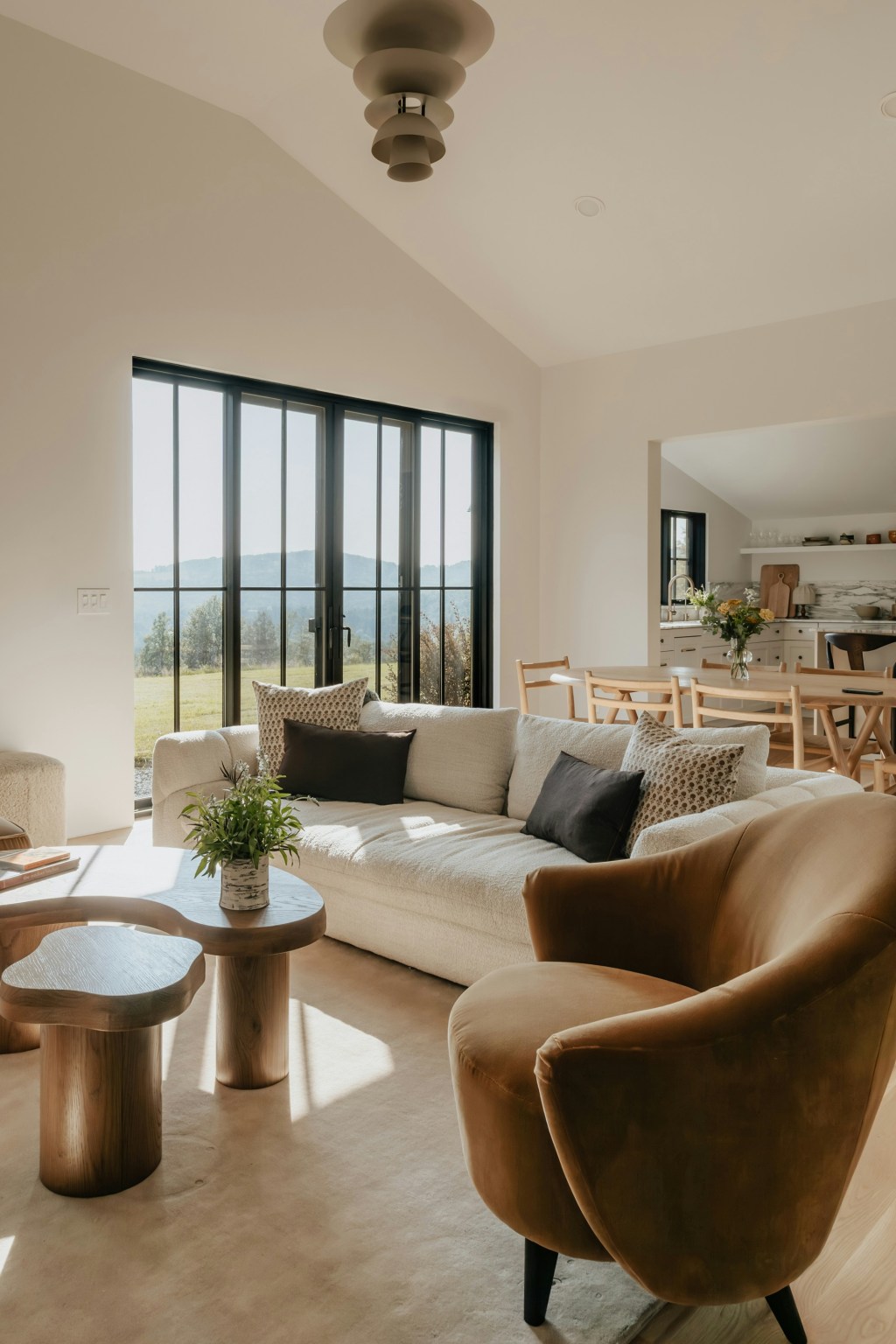
The Anxiety of the Open Concept
A ruthless dissection of the modern open-plan home. This essay argues that the dissolution of walls is a symptom of a society that prioritizes surveillance and perpetual productivity over the right to privacy and retreat. We critique the open concept as an architectural mandate designed to keep family members, guests, and workers in a constant…
-

The Tyranny of the Pure Surface
A philosophical takedown of the pursuit of sterile perfection. This essay critiques the obsessive use of unforgiving, high-maintenance surfaces (Carrara marble, ultra-white quartz) in the modern kitchen. We argue that the material’s impracticality is the point: it’s a luxury status symbol requiring endless maintenance, serving as a constant, expensive performance of aspirational hygiene and total…
 GALATEA
Leave a comment