
In the dynamic and visually driven world of interior design, the art of communication is not just about exchanging ideas; it’s about transforming abstract visions into tangible realities.
Concept boards stand at the forefront of this creative process, serving as a vital tool that bridges imagination with execution. These boards are not merely collections of images and materials; they are the narrative groundwork that shape the entire design project.
The Essence of Concept Boards in Design

Concept boards are quintessential to the design process, offering a visual and tactile forecast of the space’s aesthetic and atmosphere. They are typically introduced in the early stages of a project, setting a concrete visual foundation upon which all subsequent design decisions are based.
The Purpose of Concept Boards in Design
The primary function of a concept board is to encapsulate the style, mood, and essence of the proposed design. It serves as a visual communication tool that brings clients into the heart of the creative process, aligning their vision with the designer’s interpretation.
This early alignment is crucial for establishing a clear and shared understanding, ensuring that all stakeholders have a unified direction before detailed design work begins. Concept boards also prevent potential miscommunications and streamline the decision-making process, making them indispensable in complex projects.
Components of a Concept Board
A meticulously crafted concept board includes several key elements, each selected with strategic intent:
- Colour Palettes: These are carefully chosen to set the mood and tone of the space, influencing emotions and behaviours within it.
- Material Samples: Physical swatches of fabrics, wallpapers, and flooring provide a tangible sense of the textures and finished planned for the space.
- Inspirational Imagery: Photographs and illustrations of architectural elements, furniture, and art inspire and define the aesthetic direction.
- Textural Elements: These add depth and sensory engagement, crucial for creating an immersive environment.
- Furniture and Accessories: Visuals of specific pieces that will inhabit the space help in spatial planning and style coherence.
A concept board does not have to include every single one of these elements. Concepts boards are individual to each project and its inspiration. If a design is centered around a specific fabric, or piece of furniture, swatches or images of this may be included in the concept board. If the primary inspiration is a piece of artwork, an image of this may be included instead.
The Art of Curating Concept Boards

Creating a concept board is a thoughtful blend of art and strategy. Designers begin by absorbing the project’s goals and the client’s desires, then embark on a quest for inspiration across various media. The challenge lies in distilling a vast array of ideas into a coherent visual statement that speaks directly to the project’s needs.
Digital vs. Physical Boards

In today’s digital age, concept boards have evolved. Digital boards offer unparalleled flexibility and accessibility, allowing for swift alterations and easy sharing. Tools like Adobe Photoshop and Canva enable designers to experiment with layouts and compositions in real-time, presenting multiple versions without the limitations of physical samples.
Conclusion
The strategic use of concept boards in interior design transcends simple preference aggregation; it is an essential practice in visual storytelling. These boards do more than guide aesthetic choice – they encapsulate dreams and transform them into spaces that resonate with the people who inhabit them.
Next week, we’ll look at the use of sketches and sketchbooks as communication tools in interior design. See you next time!
JG x
Get new content delivered directly to your inbox
-
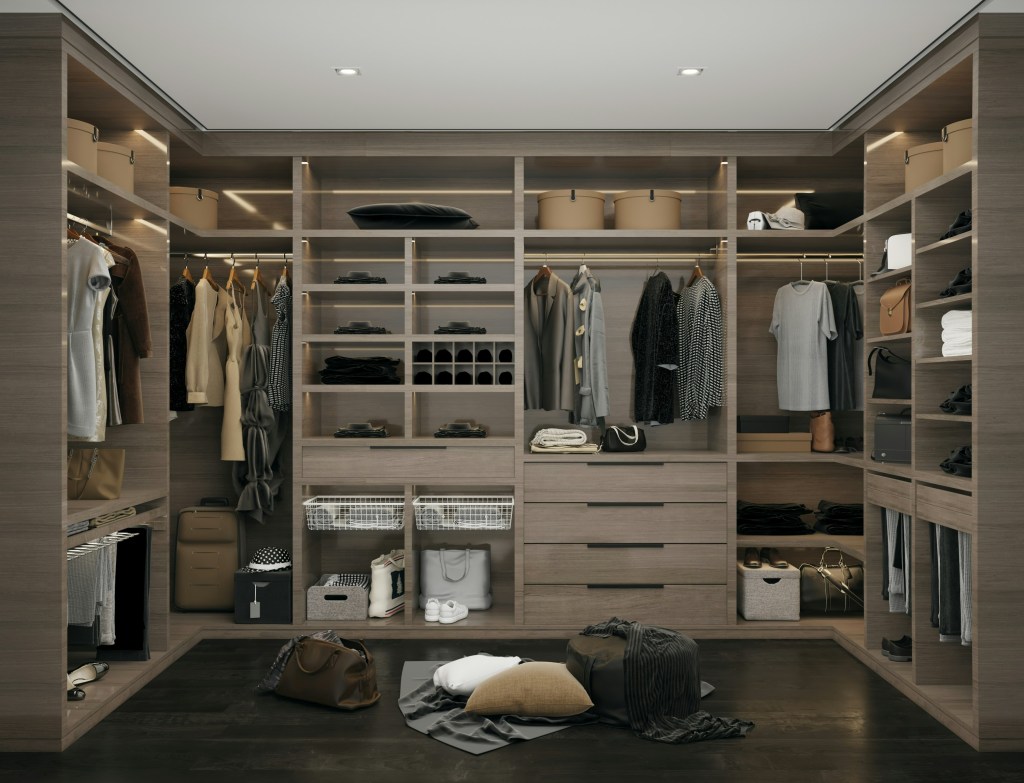
The Interior Life of the Closet
A psychological dissection of the storage lie. This essay argues that the modern obsession with seamless, integrated, invisible storage is an architectural attempt to deny our consumerist reality. We critique the walk-in wardrobe as the last sanctuary—the only truly private room remaining in the open-plan home—where the inhabitant is finally permitted to hoard, display, and…
-
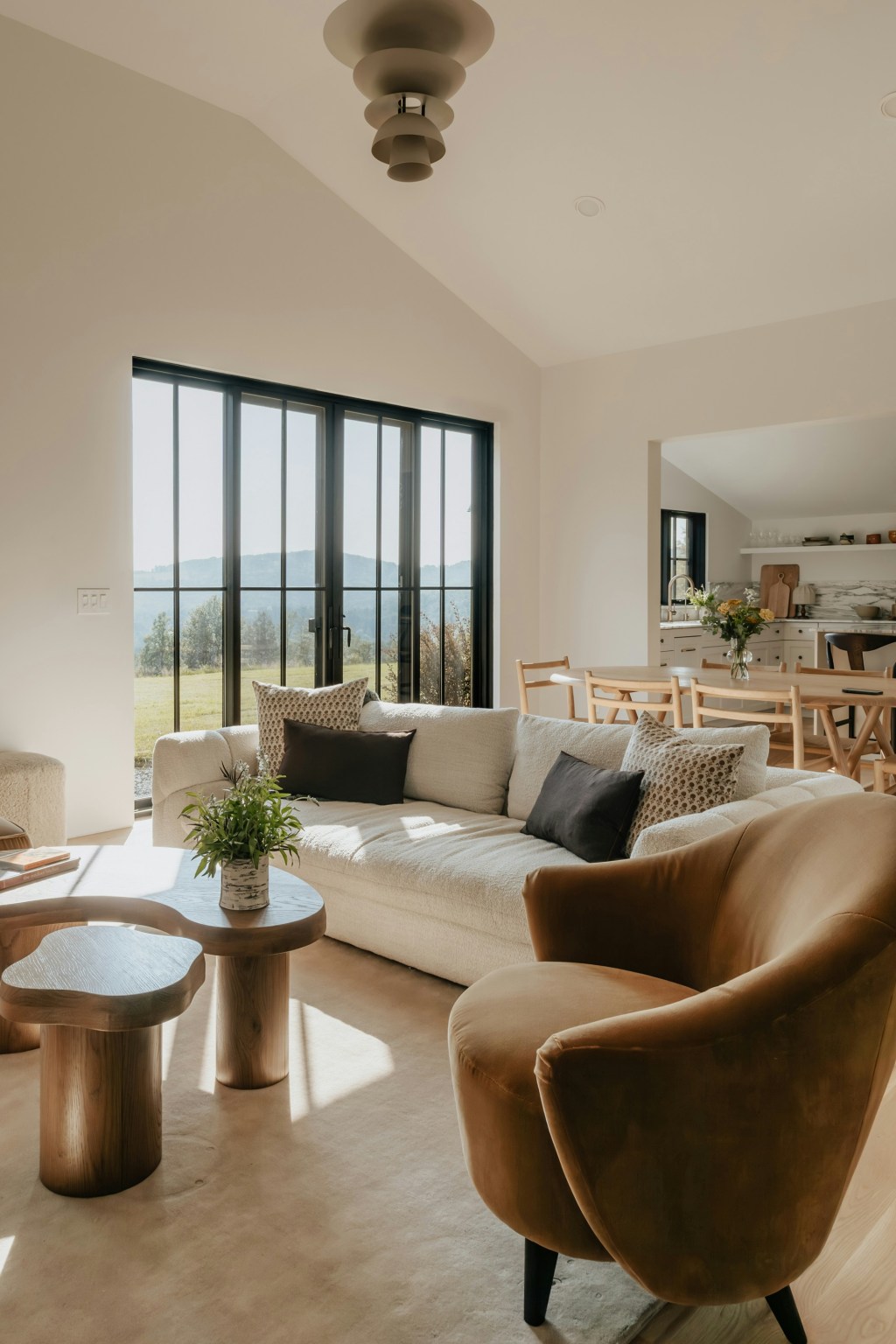
The Anxiety of the Open Concept
A ruthless dissection of the modern open-plan home. This essay argues that the dissolution of walls is a symptom of a society that prioritizes surveillance and perpetual productivity over the right to privacy and retreat. We critique the open concept as an architectural mandate designed to keep family members, guests, and workers in a constant…
-

The Tyranny of the Pure Surface
A philosophical takedown of the pursuit of sterile perfection. This essay critiques the obsessive use of unforgiving, high-maintenance surfaces (Carrara marble, ultra-white quartz) in the modern kitchen. We argue that the material’s impracticality is the point: it’s a luxury status symbol requiring endless maintenance, serving as a constant, expensive performance of aspirational hygiene and total…
 GALATEA
Leave a comment