
In interior design, effective communication serves not only as a tool but as the very foundation upon which ideas are built and realised. Bridging the divide between a spark of creativity and its material manifestation, the way designers convey their visions is paramount. This process ensures that each aesthetic and functional element melds seamlessly, translating conceptual dreams into tangible, livable art.
For this reason, I’ve chosen to write our next series on the different communication techniques interior designers use in their craft. Starting with an overview, we will delve into each communication technique, its purpose, and how to use it.
The Role of Visual Communication in Interior Design
Visual communication in interior design is an orchestration of various techniques that transform abstract ideas into comprehensible, actionable plans. From the preliminary mood boards to the detailed technical drawings, each method addresses a unique aspect of the project, collectively ensuring a smooth transition from imagination to implementation.
1. Concept Boards

Concept boards are the visual cornerstone of every design project.
By amalgamating colours, textures, and inspirational imagery, these boards articulate the overarching theme and style, offering clients and stakeholders a tangible glimpse into the proposed aesthetic.
This initial presentation sets the tone, aligning all involved parties with the envision direction and fostering a cohesive understanding that underpins subsequent decisions.
2. Sketches

Rapid and intuitive, sketching allows designers to fluidly translate their thoughts into visual forms.
This method serves as a critical exploratory tool, where ideas can be iterated swiftly, offering a dynamic platform for creative evolution.
Sketchbooks, serving as repositories of these ideas, become invaluable archives that document the journey of creativity.
3. Sample Boards

Interior design is as much about texture and touch as it is about visual beauty.
Sample boards bring materials – from lush fabrics to sleek finishes – into the hands of those who will live with them. This tactile presentation enriches the decision-making process, providing a real-world sense of the materials’ interplay within the intended space.
4. Rendered Perspective Drawings

Advanced rendering techniques enable designers to offer a lifelike preview of the finished spaces. These detailed illustrations, enriched with accurate depictions of lighting, textures, and spatial dynamics, are invaluable for client approvals for preempting potential issues, making them a staple in high-stakes presentations.
5. Technical Drawings

The quintessence of technical communication in interior design lies in detailed floor plans, elevations, and sections.
These documents provide a precise roadmap for construction, ensuring every architectural element and design intent is executed flawlessly, avoiding costly misunderstandings and construction errors.
The Digital Revolution in Interior Design Communication
The evolution of digital tools has significantly enhanced the clarity and efficiency of design communication. Software like AutoCAD, SketchUp, and Adobe Photoshop has become integral, offering designers the ability to create, modify, and share their work with unprecedented speed and flexibility.
Digital platforms not only streamline the creation process but also facilitate a more collaborative and inclusive approach to design, ensuring clients and contractors are engaged and informed at every step.
Conclusion
The art of communication in interior design is an essential ingredient in the creation of spaces that resonate with beauty and functionality. By mastering an array of visual communication tools, designers ensure that their visions are not only seen but felt and understood, leading to environments that reflect the true essence of their clients’ desires.
Stay tuned for the rest of this series where we delve into each communication technique!
JG x
Get new content delivered directly to your inbox
-
The Interior Life of the Closet
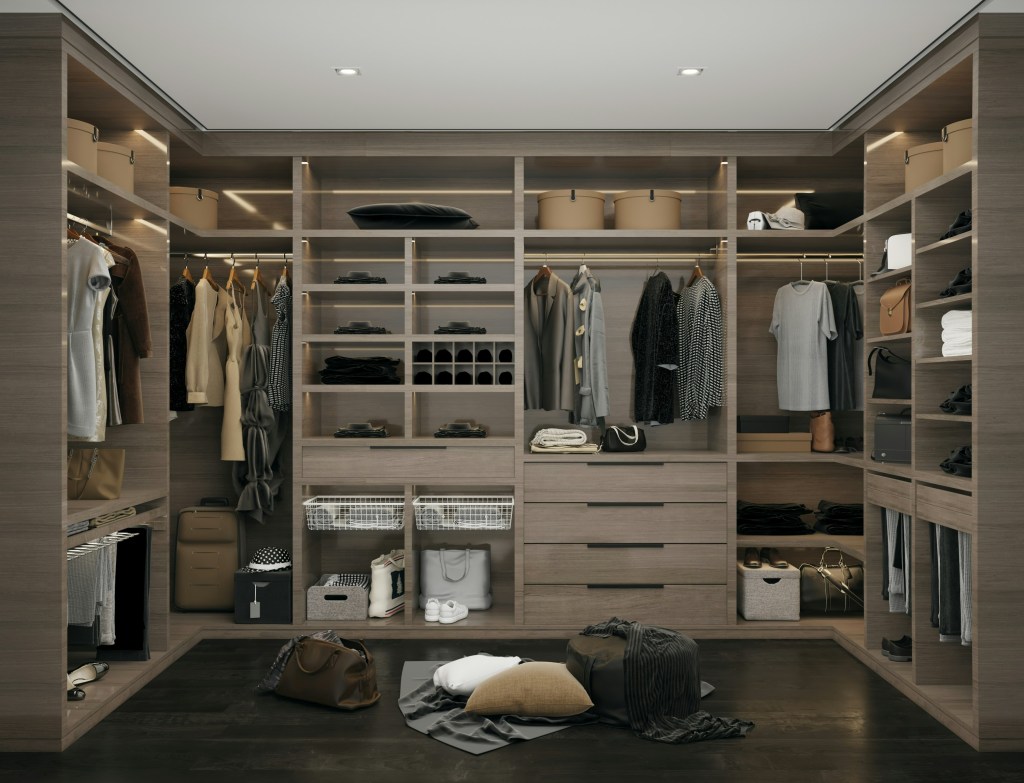
A psychological dissection of the storage lie. This essay argues that the modern obsession with seamless, integrated, invisible storage is an architectural attempt to deny our consumerist reality. We critique the walk-in wardrobe as the last sanctuary—the only truly private room remaining in the open-plan home—where the inhabitant is finally permitted to hoard, display, and…
-
The Anxiety of the Open Concept
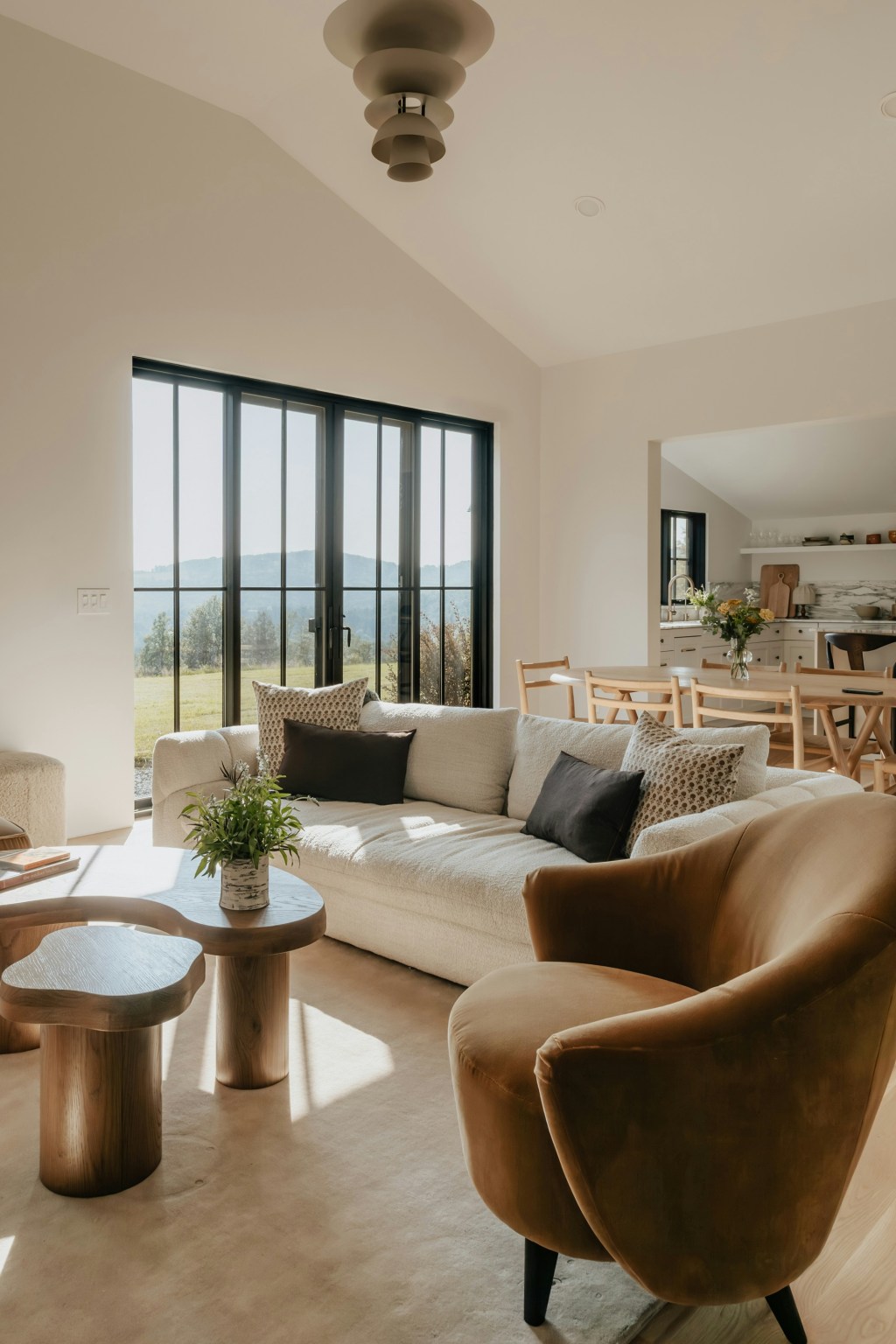
A ruthless dissection of the modern open-plan home. This essay argues that the dissolution of walls is a symptom of a society that prioritizes surveillance and perpetual productivity over the right to privacy and retreat. We critique the open concept as an architectural mandate designed to keep family members, guests, and workers in a constant…
-

The Tyranny of the Pure Surface
A philosophical takedown of the pursuit of sterile perfection. This essay critiques the obsessive use of unforgiving, high-maintenance surfaces (Carrara marble, ultra-white quartz) in the modern kitchen. We argue that the material’s impracticality is the point: it’s a luxury status symbol requiring endless maintenance, serving as a constant, expensive performance of aspirational hygiene and total…
 GALATEA
Leave a comment