Welcome to the latest entry in Flitcroft Interiors’ design exploration series. Today, we’re diving into the artful transformation of utility spaces by Sean Anderson Design, focusing on their remarkable project “Old Creek.” Renowned for crafting interiors that meld a distinct sense of place with timeless style, Sean Anderson brings a unique narrative to every space he touches.
The Essence of Sean Anderson Design
At the heart of Sean Anderson Design’s philosophy lies the art of transforming ordinary spaces into spectacular showcases of design and functionality. This was vividly illustrated in the utility room of the Old Creek project, a space where the rigors of daily chores meet the elegance of thoughtful design. Sean Anderson, known for his enigmatic and deeply personal style, redefines the boundaries of utility rooms, proving them worthy of the same design attention as more prominent living areas.
Introducing Old Creek: A Confluence of History and Modernity

Old Creek, situated in rural Mississippi, embodies a perfect blend of Sean Anderson’s Mississippi roots and his penchant for moody, gothic aesthetics meshed with rural country charm. In this project, Anderson not only showcases his ability to harmonize dark tones and masculine details but also highlights his deep respect for architectural integrity. Old Creek is a testament to Anderson’s firm belief in the power of design to transform spaces while telling the compelling story of the inhabitants.
A Deeper Look into the Utility Room Design

In the utility room of the Old Creek residence, Anderson applies his signature color palette, turning a space often relegated to mere functionality into an area pulsing with style and sophistication. This room features a deliberate use of dark, rich tones that envelop the space, lending it an air of refined elegance. Strategic lighting highlights sleek surfaces and textured walls, creating interplays of shadow and light that underscore the room’s modernist influences.
Custom cabinetry in muted tones and sophisticated hardware demonstrate Anderson’s meticulous attention to detail and craftsmanship. The integration of antique elements with modern utilities illustrates his unique ability to merge different eras through design. Every choice, from the layout to the material finishes, is imbued with functionality and aesthetic precision, aiming to enhance the daily rituals of washing and organization.
Design Highlights
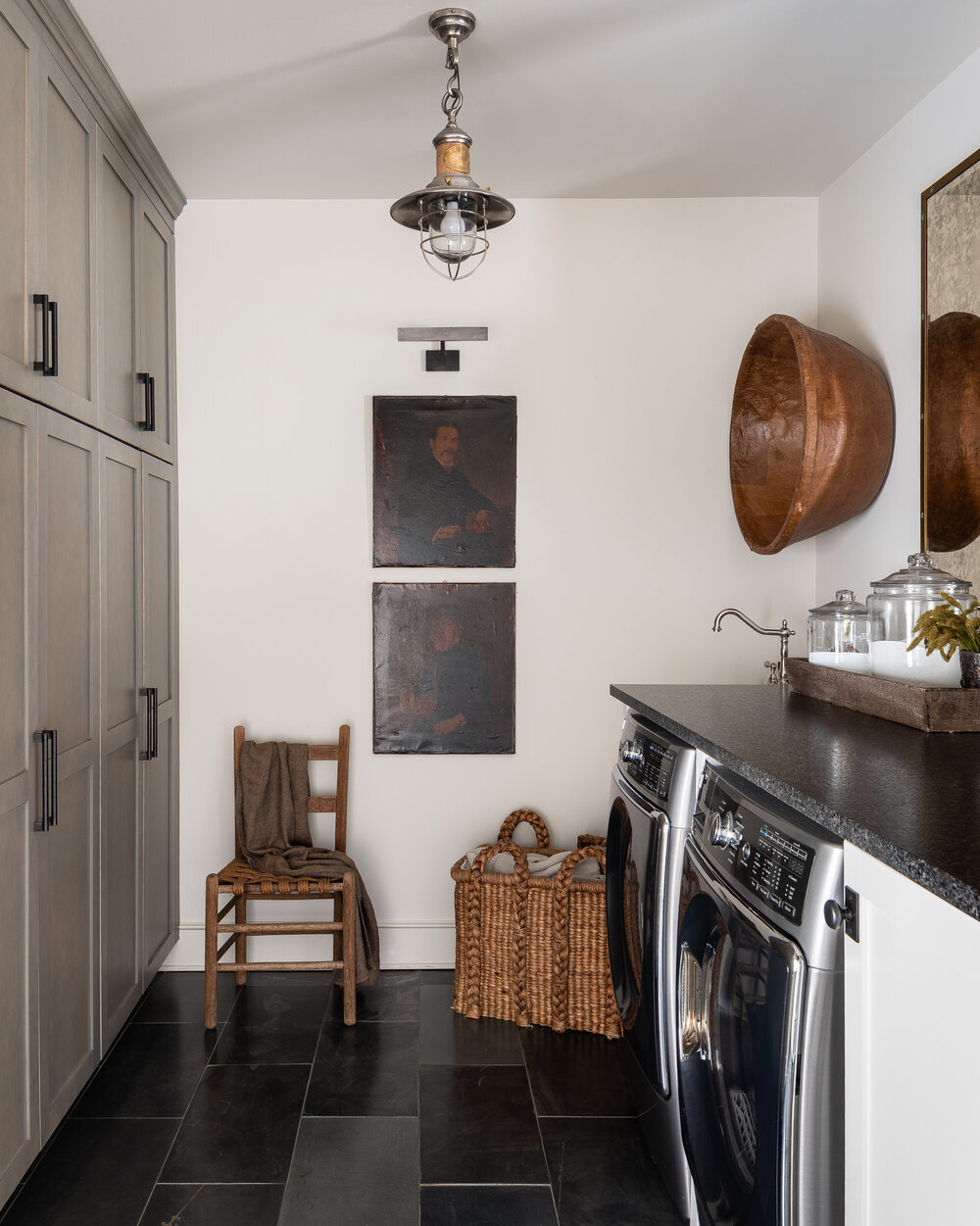
The utility room designed by Sean Anderson in the Old Creek project beautifully exemplifies the thoughtful blending of functionality with aesthetic sophistication. This space, depicted in the attached image, is an eloquent narrative of Anderson’s design philosophy which harmonizes the modern with the timeless. The room features slate gray cabinetry that offers ample storage while maintaining a sleek, unobtrusive profile. These are contrasted sharply against the dark slate floor tiles, which not only enhance the room’s practicality but also anchor the space with their robust, enduring charm.


A key highlight in the room is the striking use of vertical space with the placement of antique portraits and large wooden vessels, which bring warmth and a sense of history into the contemporary setting. These elements, along with the industrial-style light fixture, not only illuminate the room but also contribute to its layered, textured aesthetic. The inclusion of a rustic wooden chair and woven baskets adds a touch of organic texture, underscoring Anderson’s skill in blending various materials to create a cohesive and inviting environment.
Recreating the Look on a Budget
To capture the essence of Sean Anderson’s utility room design without a lavish budget, start with the foundational elements: color and texture.
- Opt for cabinetry in a soft gray tone, which you can achieve by painting existing cabinets or sourcing affordable ones from budget-friendly home improvement stores.
- Use dark vinyl tiles for the flooring to mimic the slate appearance, offering both durability and cost-effectiveness.
- For the lighting, hunt for vintage or reproduction industrial fixtures online or at thrift stores to replicate the room’s focal lighting feature without the steep price.
- Decorative elements like the antique portraits can be simulated with thrift store art finds or by creatively repurposing old photographs in dark, dramatic frames to add that personal, historic touch.
- Introduce natural elements like wooden bowls or vessels found at flea markets or second-hand stores to achieve the warm, earthy accents seen in Anderson’s design.
- A simple wooden chair can be sourced from a thrift store and refurbished with a bit of sanding and perhaps a new finish to match the aesthetic.
- Similarly, wicker or woven baskets for storage solutions can be found at discount stores, adding both functionality and style at a minimal cost.
By focusing on these key elements, you can recreate the luxurious yet deeply personal ambiance of the Old Creek utility room, proving that style does not have to be sacrificed for budget. But, to make it easier for you, I’ve helpfully collated a list of budget-friendly items to help you recreate this look on a budget:
https://linktr.ee/flitcroftinteriors
Sean Anderson’s Design Philosophy and Craftmanship

Rooted deeply in the landscapes of the South, Sean Anderson’s design philosophy celebrates the personal narratives of his clients, infused with a modernist aesthetic that respects tradition while boldly pushing boundaries. His work is characterized by a thoughtful approach to space, where each element is a testament to his commitment to quality and bespoke craftsmanship.
Sean Anderson Design, established in Memphis in 2013, has quickly risen to national acclaim, with features in elite publications like Architectural Digest and Elle Decor. The firm’s comprehensive design services encompass a holistic approach—carefully considering every detail from conception through to completion. This meticulous process ensures that each project not only meets the functional needs of its users but also carries a distinct artistic voice.


Celebrating Functional Spaces with Style
The utility room in the Old Creek project is a prime example of Anderson’s philosophy that every space within a home deserves artistic consideration. It challenges the conventional notion that utility rooms should be purely functional and devoid of style. Instead, Anderson treats these rooms as canvases for expressing the homeowner’s personality and design preferences, proving that beauty and utility can coexist harmoniously.

Sean Anderson’s ability to transform the mundane into the magnificent makes the Old Creek utility room not just a functional area, but a pivotal space of beauty that complements the entire home’s design narrative. This project underscores the potential of utility rooms to be as aesthetically pleasing as they are practical, setting a new standard in interior design.
For enthusiasts and homeowners alike, the Old Creek project serves as a source of inspiration and a beacon of what interior design can achieve when every space is given equal consideration for its utility and aesthetic potential. As Sean Anderson continues to shape spaces across America, his designs remind us that beauty can be found in the most unexpected places, turning everyday areas into extraordinary experiences.
For more insights into transforming your home with design, keep following Flitcroft Interiors. Dive into our series on recreating designer looks for less, and let your space tell its own unique story.
JG x
Get new content delivered directly to your inbox
-
The Interior Life of the Closet
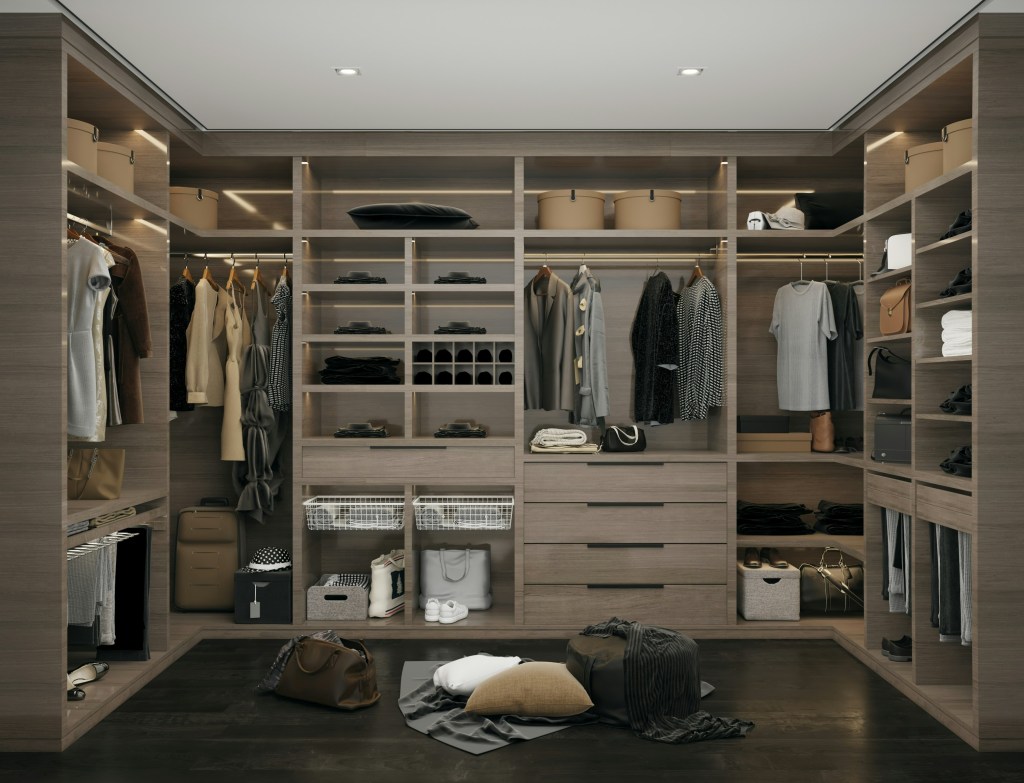
A psychological dissection of the storage lie. This essay argues that the modern obsession with seamless, integrated, invisible storage is an architectural attempt to deny our consumerist reality. We critique the walk-in wardrobe as the last sanctuary—the only truly private room remaining in the open-plan home—where the inhabitant is finally permitted to hoard, display, and…
-
The Anxiety of the Open Concept
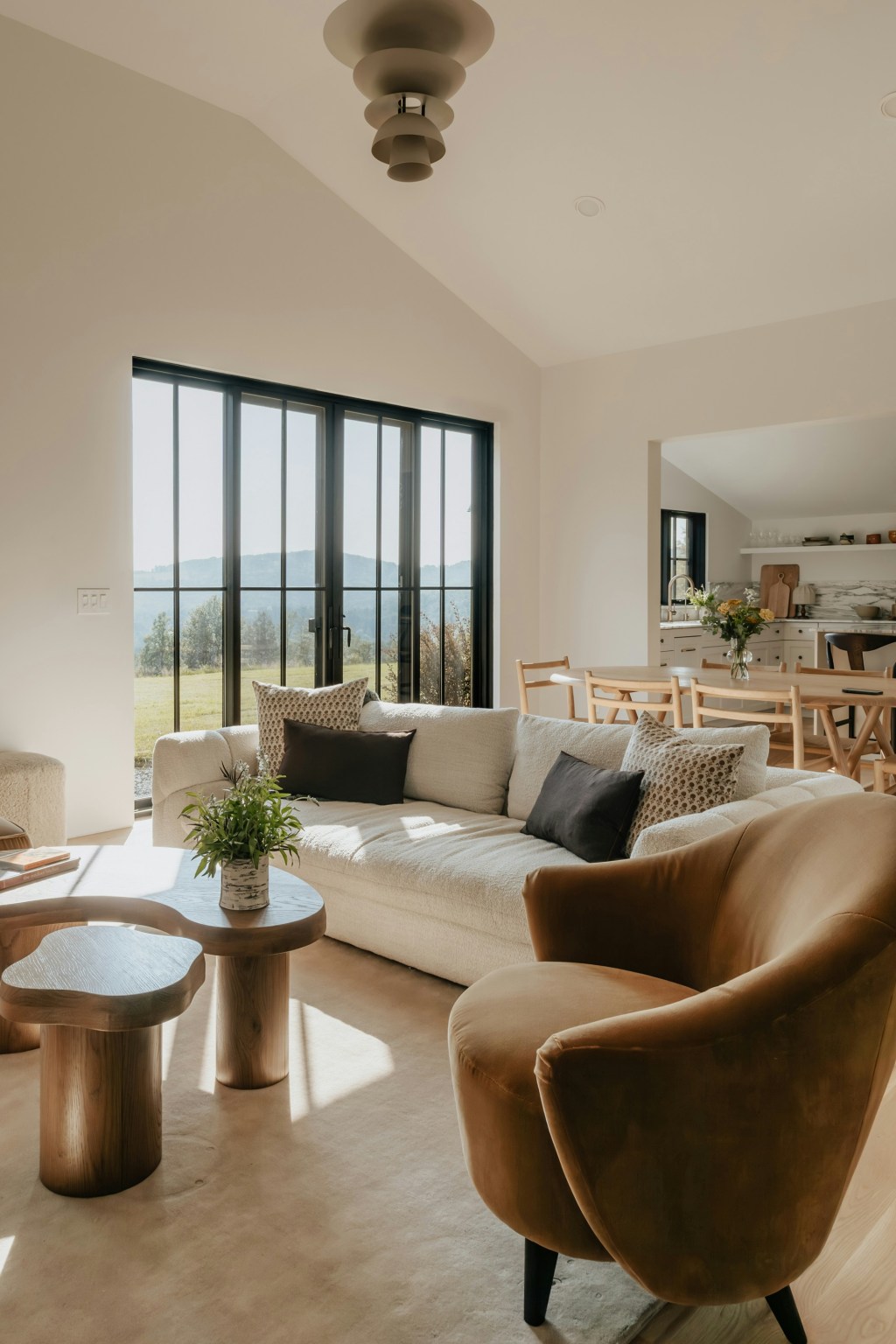
A ruthless dissection of the modern open-plan home. This essay argues that the dissolution of walls is a symptom of a society that prioritizes surveillance and perpetual productivity over the right to privacy and retreat. We critique the open concept as an architectural mandate designed to keep family members, guests, and workers in a constant…
-

The Tyranny of the Pure Surface
A philosophical takedown of the pursuit of sterile perfection. This essay critiques the obsessive use of unforgiving, high-maintenance surfaces (Carrara marble, ultra-white quartz) in the modern kitchen. We argue that the material’s impracticality is the point: it’s a luxury status symbol requiring endless maintenance, serving as a constant, expensive performance of aspirational hygiene and total…
 GALATEA
Leave a comment