
Introduction
At the turn of the 20th century, a profound transformation in artistic and architectural norms gave birth to the modernist movement. This was not merely a stylistic shift but a philosophical manifesto that espoused “form follows function,” thereby dismissing historical embellishments in favour of pure form, functionality, and industrially influenced materials. This movement profoundly impact various creative domains, including architecture, art, and notably, interior design. Modernist interior design, through its revolutionary use of space, materials, and form, has redefined our living and working environments, offering a blueprint for minimalism and efficiency that resonates even in contemporary design.
Historical Context and Origins
The genesis of modernist interior design coincided with significant socio-economic changes like rapid industrialization and urbanization, catalysed by the aftermath of World War I. These changes necessitated a reevaluation of architectural and interior spaces to adapt to new demands for simplicity and functionality. Innovations in building technologies, such as reinforced concrete, steel, and expansive glass panels, became pivotal in this transformation, reflecting the era’s industrial progression.
Influential Movements and Figures
Key art and design movements such as De Stijl and Bauhaus significantly influenced modernist interiors. De Stijl’s advocacy for abstraction and the Bauhaus school’s integration of art, design, and industry underlined the modernist ethos of minimalism – epitomized by Mies can der Rohe’s “less is more.” Furthermore, the International Style, highlighted by architects like Le Corbusier and Mies van der Rohe, promoted the idea of homes as “machines for living,” focusing on practical designs that enhance human life.


Iconic Modernist Interior Designers
Le Corbusier
Le Corbusier was instrumental in molding modernist design, with interiors that featured open floor plans and functional furniture, underscored by a minimal colour palette to enhance natural light.
Ludwig Mies van der Rohe
Mies van der Rohe, known for his dictum “less is more,” utilized industrial materials to create structurally monumental yet visually light spaces, emphasizing fluidity and open space.

Eileen Gray and Charlotte Perriand
Eileen Gray combined functionalism with organic aesthetics, while Charlotte Perriand focused on functional living spaces with modular storage systems, bringing modernist design within the reach of the urban populace.
Alvar Aalto
Alvar Aalto’s humanistic approach to modernism integrated organic forms, making interior spaces more comfortable and inviting.
The Early Modernist Vision
During the 1920s and 1920s, experimentation with interior designs that emphasized health, well-being, and ergonomic furniture laid the groundwork for modernism in interior design. This era marked a definitive move away from unnecessary decoration towards efficiency, setting the stage for the widespread acceptance of modernist principles.

Defining Characteristics of Modernist Interior Design
Modernist interior design is characterized by minimalism, open floor plans, and the seamless integration of indoor and outdoor spaces. These elements facilitate a minimalist aesthetic that focuses on the functionality and practical use of the space.
Innovative Use of Materials
The innovative use of new materials like steel, glass, and concrete not only defined the aesthetic of modernist interiors but also highlighted the ethos of “truth to materials,” emphasizing the natural qualities of these elements without superfluous decoration.

Case Studies of Modernist Interior Design
Villa Savoye
Le Corbusier’s Villa Savoye exemplifies modernist principles with its open floor plan, horizontal windows, and minimalistic design that prioritizes space over decor.


Barcelona Pavilion


Mies van der Rohe’s Barcelona Pavilion demonstrates the use of luxurious materials like marble and travertine in a minimalist design that promotes an open and fluid space.
Bauhaus School Buildings

The Bauhaus buildings epitomize functional design using industrial materials, reflecting the educational ethos of combining form with practical utility.
Modernism’s Impact and Evolution
Modernist interior design has not only shaped contemporary design practices but has also adapted to various cultural contexts, influencing global design trends. This adaptability has allowed modernism to evolve, incorporating sustainable practices and new technologies that continue to influence contemporary design.
Critiques and Revisions
While modernist design has been celebrated for its aesthetic and functional innovations, it has also faced criticism for creating spaces that can feel cold and impersonal. Contemporary revisions have aimed to balance these criticisms by integrating more warmth, local materials, and sustainable practices to ensure modernism remains relevant and responsive to current and future needs.
Modernist interior design has significantly influenced both the aesthetic and functional aspects of how we configure and perceive interior spaces. As we continue to navigate contemporary challenges, the principles of modernism—simplicity, innovation, and functionality—offer invaluable lessons. This legacy of modernism, continuously evolving yet steadfast in its foundational principles, provides a robust framework for future designs.
We hope you’ve enjoyed this exploration of quintessential modernist interiors, a journey through some of the most groundbreaking designs that have shaped our understanding of space, functionality, and aesthetics. These examples not only showcase the genius of their creators but also continue to influence contemporary design in profound ways.
Stay tuned for more insights and explorations of architectural marvels. Don’t forget to share this article with fellow design lovers and join the conversation about your favorite modernist spaces. Until next time, keep exploring and inspiring through design!
JG x
Get new content delivered directly to your inbox
-
The Interior Life of the Closet
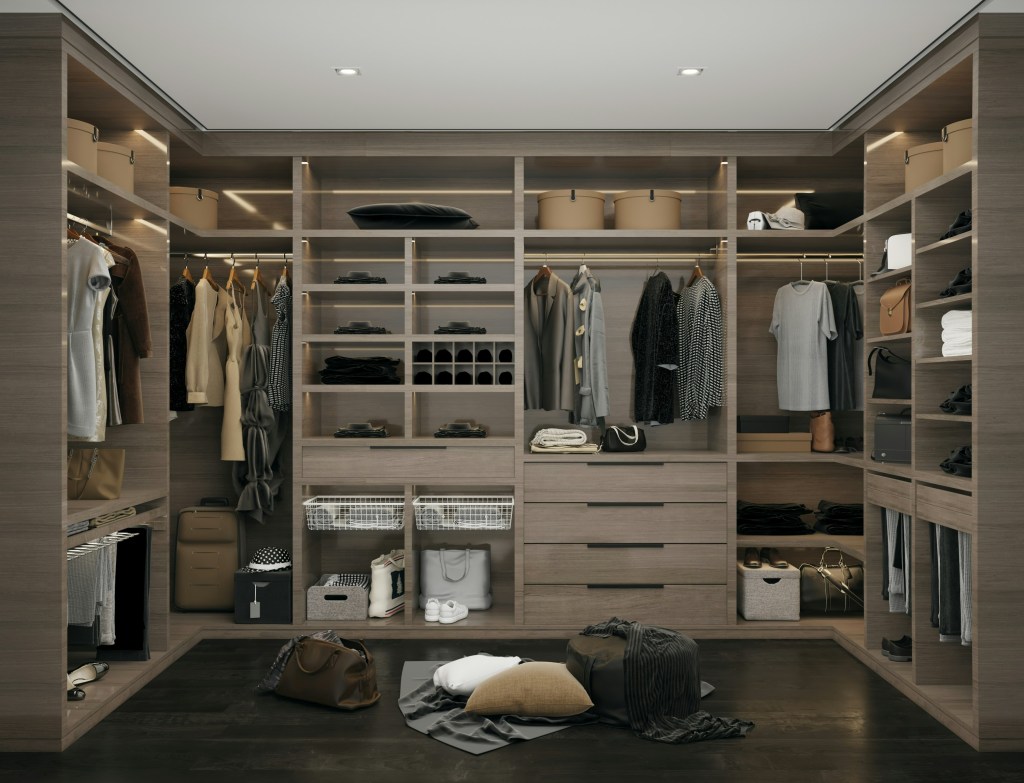
A psychological dissection of the storage lie. This essay argues that the modern obsession with seamless, integrated, invisible storage is an architectural attempt to deny our consumerist reality. We critique the walk-in wardrobe as the last sanctuary—the only truly private room remaining in the open-plan home—where the inhabitant is finally permitted to hoard, display, and…
-
The Anxiety of the Open Concept
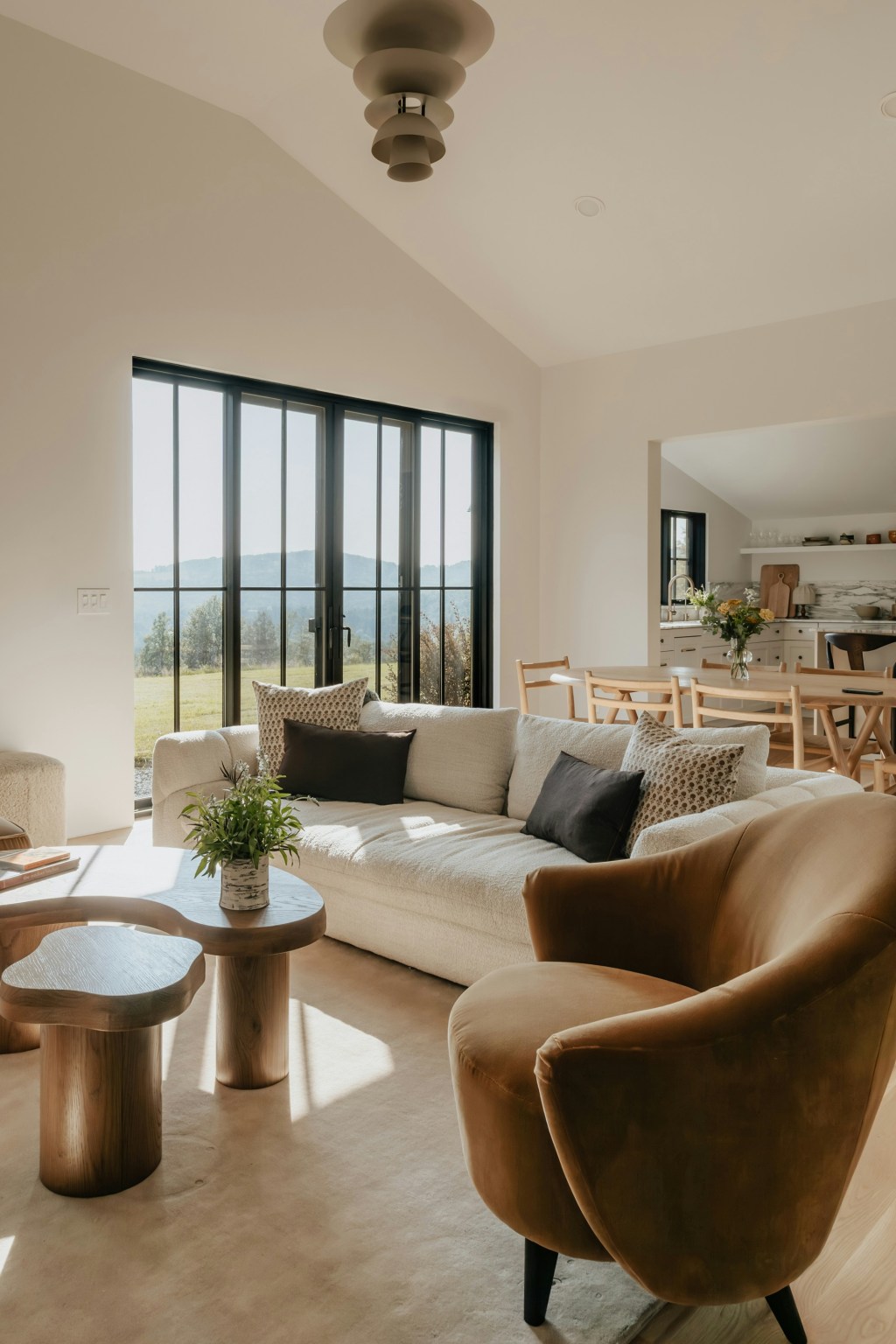
A ruthless dissection of the modern open-plan home. This essay argues that the dissolution of walls is a symptom of a society that prioritizes surveillance and perpetual productivity over the right to privacy and retreat. We critique the open concept as an architectural mandate designed to keep family members, guests, and workers in a constant…
-

The Tyranny of the Pure Surface
A philosophical takedown of the pursuit of sterile perfection. This essay critiques the obsessive use of unforgiving, high-maintenance surfaces (Carrara marble, ultra-white quartz) in the modern kitchen. We argue that the material’s impracticality is the point: it’s a luxury status symbol requiring endless maintenance, serving as a constant, expensive performance of aspirational hygiene and total…
Resources
- ArchDaily. (2011) ‘AD Classics: Villa Savoye / Le Corbusier’, ArchDaily, 28 September. Available at: https://www.archdaily.com/84524/ad-classics-villa-savoye-le-corbusier (Accessed: 11 June 2024).
ArchDaily. (2011) ‘AD Classics: Lovell House / Richard Neutra’, ArchDaily, 9 February. Available at: https://www.archdaily.com/104713/ad-classics-lovell-house-richard-neutra (Accessed: 11 June 2024).
ArchEyes. (2020) ‘The Eames House – A Deep Dive into Case Study House #8’, ArchEyes, 19 October. Available at: https://archeyes.com/the-eames-house-a-deep-dive-into-case-study-house-8/ (Accessed: 11 June 2024).
Archpaper. (2020) ‘Edith Farnsworth Reconsidered’, The Architect’s Newspaper, 5 August. Available at: https://www.archpaper.com/2020/08/edith-farnsworth-reconsidered/ (Accessed: 11 June 2024).
DesignBids. (2017) ‘Falling Water House: Much Needed Inspiration for Co-existence with Nature’, Medium, 10 February. Available at: https://medium.com/@DesignBids/falling-water-house-much-needed-inspiration-for-co-existence-with-nature-a1a10969631a (Accessed: 11 June 2024).
Rost Architects. (2023) ‘Farnsworth House’, Rost Architects, 3 January. Available at: https://www.rostarchitects.com/articles/2023/1/3/farnsworth-house (Accessed: 11 June 2024).
Thal, G. (n.d.) ‘Architectural Promenade at the Villa Savoye’, Thal Art. Available at: https://blog.thal.art/architectural-promenade-at-the-villa-savoye/ (Accessed: 11 June 2024).
Wikipedia. (no date) ‘Barcelona Pavilion’, Wikipedia. Available at: https://en.wikipedia.org/wiki/Barcelona_Pavilion(Accessed: 11 June 2024).
Wikipedia. (no date) ‘Bauhaus’, Wikipedia. Available at: https://en.wikipedia.org/wiki/Bauhaus (Accessed: 11 June 2024).
 GALATEA
Leave a comment